
How to Eat While Traveling With Food Sensitivities
Food is one of the biggest—and most overlooked—factors in how I feel during and after a trip. While I love experiencing local cuisine, I’ve learned that eating every meal out or constantly changing what I eat can quickly lead to fatigue, digestive issues, energy crashes, or even full symptom flares. If those traveling with food sensitivities, chronic illness, digestive issues, migraines, blood sugar concerns, or simply know your body does better with consistency, travel meals can become one of the most stressful parts of planning.
But over time, I’ve found that successful travel doesn’t necessarily mean restricting yourself or packing every meal. It means creating enough consistency that your body stays supported—and leaving room for the experiences that matter. Here’s how I approach eating while traveling with food sensitivities.
This post may contain affiliate links. If you make a purchase through these links, we will earn a small commission at no additional cost to you. We recommend products we have personally used or verified. Read the full disclosure here.
Food Sensitivities vs Food Allergies
Before we dive in, one quick and important note: food sensitivities, intolerances, and food allergies are not the same things, and the strategies needed can differ significantly.
This post focuses primarily on managing travel with food sensitivities, intolerances, and chronic illness–related food triggers—where consistency, energy management, and reducing symptom flares are often the goal.
If you have a diagnosed food allergy that can cause severe or life-threatening reactions, these strategies may still be helpful, but you’ll likely need to take additional precautions and should follow guidance from your healthcare team.
1. Choose Accommodations That Support How You Eat
For me, food planning starts before I even leave home.
Whenever possible, I choose accommodations where I have access to a kitchen. While I prefer a private kitchen, even a small kitchenette or shared kitchen will do.
That flexibility allows me to:
- Prepare simple meals I know are safe
- Cook and refrigerate or freeze food overnight to bring along
- Pack snacks or lunches for the day
- Support stable energy levels
- Avoid ingredients that tend to trigger symptoms
- Reduce dependence on restaurants for every meal
You don’t necessarily need a full apartment.
Even small changes can help:
- Mini fridge
- Microwave
- Stovetop
- Shared kitchen
- Grocery store nearby
- Breakfast options you can tolerate
Sometimes spending slightly more on accommodation saves energy and symptoms later.
READ NEXT: Where to Stay When Traveling with Chronic Illness

2. Grocery Shop Early (Before You Need It)
One of the biggest mistakes I used to make was waiting until I was already hungry, tired, or symptomatic to figure out food.
Now, wherever possible, I try to arrive early enough in the day that I can grocery shop on arrival day. In a few cases, I’ve arranged for delivery before arrival of some staples.
That way I have easy options immediately available.
My goals:
- Build a few simple meals that I can quickly heat up and eat
- Buy or make reliable snacks
- Recreate pieces of my normal routine
Examples (variable based on food sensitivities)
- Fruit
- Salad ingredients
- Vegetables
- Nuts
- Oats
- Eggs
- Simple proteins
- Crackers
- Hydration support
If you are traveling abroad, do your research before hand to see what you can and cannot buy locally. If I know I won’t be able to buy specific staples locally, I bring them with me. I’ve had to bring along cassava flour and macadamia nuts, for example. While these may be abundant in some locations, they are next to impossible to find in others. Be sure to research both larger supermarkets and groceries, as well as organic food stores to find what you’re looking for.
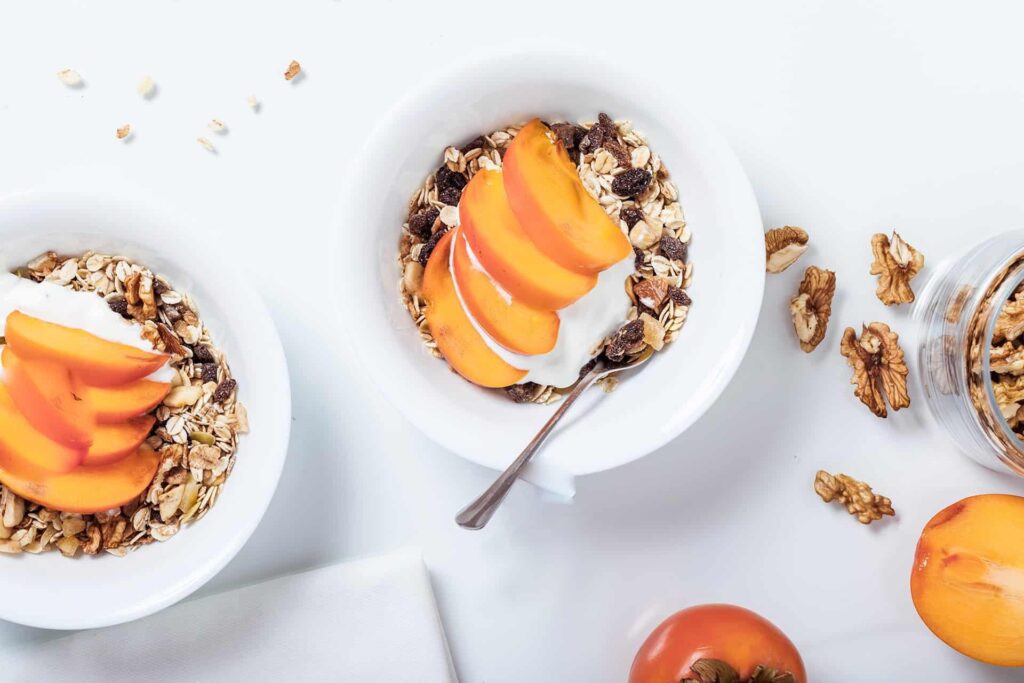
Don’t Forget to Shop at Local Markets
Exploring the local markets while traveling is a fun way to get to know the culture and people. In Portugal, for example, I rely on the local markets to get fresh fruits, vegetables, breads, seafood, cheese, meats, and more. Be sure to look at the schedules for the markets for your destinations. Often, staples such as the butcher and fish shops are open daily, while others may be only certain days per week.
READ NEXT: How to Plan a Travel Itinerary with Chronic Illness
3. Bring Safe, Reliable Foods (Not Just Emergency Snacks)
One of the biggest shifts that made travel easier for me was realizing I didn’t need to rely entirely on finding food at my destination.
I now travel with foods I already know work for my body.
Not as an emergency plan—but as part of my normal travel routine.
Having safe, familiar foods available means:
- More stable energy
- Fewer symptom flares
- Less decision fatigue
- Less pressure to eat foods that don’t work simply because they’re available
I usually pack foods that are:
- Familiar
- Easy to digest
- Portable
- Filling enough to bridge meals
My go-to travel foods:
- Dehydrated fruit and vegetables (store bought or homemade)
- Fruit bars (That’s It bars are one example)
- Nuts that I tolerate well
- Homemade turkey, salmon, or chicken jerky (similar to an Epic bar, but homemade)
- Protein bars that I already know work for me
Everyone’s list will look different.
The goal isn’t perfect eating—it’s reducing the number of unknowns.
4. Bring Real Meals for Long Travel Days
For longer transit days, snacks aren’t always enough.
One thing that helps me enormously is bringing an actual meal in a small cooler bag with an ice pack.
My favorite backup meal is a DIY travel salad.
I pack ingredients separately and assemble them when I’m ready to eat.
Typical setup for me:
- Chopped lettuce
- Chopped vegetables (radishes, carrots, cucumbers, artichoke, beets, etc.)
- Fruit (often berries)
- Protein (goat cheese or cooked and diced chicken or turkey)
- Small travel containers of olive oil or dressing
- Container to mix and eat from
This won’t work for every trip—but for airports, trains, ferries, and road trips, one guaranteed meal can completely change the day.
A few other things I typically do:
- Plan meal stops around stores that have prepared foods that I enjoy (e.g., Whole Foods is my go-to in the US and parts of the UK because of their salad bar and hot food bar).
- Search restaurants along the route (whether at airports, train stations, or along the drive) that have food I can safely eat.
READ MORE: Flying with Chronic Illness, Practical Tips for Easier Air Travel
5. Create Consistency Through Anchor Meals
One thing that helps reduce food-related stress is deciding in advance which meals stay consistent.
For me:
- Breakfast is usually eaten in
- Lunch is a mix of simple, packed meals and restaurant meals, depending on where we are
- Dinner becomes the meal where I’m most flexible
Examples:
- Same breakfast most days
- Packed lunch + restaurant dinner
- Restaurant lunch + home cooked dinner
If I go out for dinner, I usually keep my earlier meals familiar.
That balance lets me enjoy food experiences without creating too many variables at once.
6. Leave Room for Local Food Experiences
Traveling with food sensitivities does not have to mean avoiding local cuisine entirely.
I don’t aim for perfection.
I just try to balance experiences with stability.
Sometimes that means:
- Sharing dishes
- Choosing one meaningful meal instead of three
- Looking for simpler local specialties, where you can identify the ingredients
It’s not about restriction.
It’s about reducing the cumulative impact of too many unknowns at once: new food + long days + disrupted sleep + extra activity.

7. Communicate Your Needs Simply
You don’t need to explain your entire medical history to a restaurant or guesthouse host. But, you do want to ensure that they understand the critical points.
Short explanations usually work best, such as:
- “I can’t eat dairy.”
- “Can this be served without sauce?”
- “Could you tell me the ingredients?”
Don’t assume that those working in restaurants understand your language. Be sure to come prepared to be able to communicate in the local language.
- Some people travel with a printed card (in the local language) listing their allergies or sensitivities. These can then be given to the kitchen for reference.
- Saving translated phrases ahead of time can make eating abroad much easier, even if these are just saved on your phone.
- Google Translate is a great app, but be aware that this may not work if you don’t have good cell phone coverage (or wifi).
- I prioritize learning these phrases in the local languages, but this can be a challenge for those traveling to many countries.
Final Thoughts on Traveling with Food Sensitivities
Traveling with food sensitivities can require more planning—but it doesn’t mean less adventure.
For me, the goal isn’t controlling every meal.
It’s creating enough consistency that I can spend more energy enjoying the destination instead of managing symptoms.
That stability makes a huge difference—not only during the trip, but in how I feel once I return home.
If you enjoyed this post, pin it for later!



Such a helpful post. I travel with several women who have either allergies or sensitivities. Your tips are super helpful. It’s also a great blog to offer to your travel companions to boost their awareness!
Thank you for your feedback!
I’ve never thought of this until I’ve read your post, but I’m so lucky that I don’t have sensitivities or allergies to foods. I already incorporate many of your suggestions into my travels – maybe that is why!
I see food sensitivities as just one more thing to plan during a vacation–glad you don’t need to worry about this.
I appreciate seeing practical travel advice like this, because food is such a wonderful part of discovering a new place and connecting with different cultures. For those travelling with allergies or sensitivities, a little extra preparation and awareness can make such a difference.
Thank you for the feedback.
We don’t have food sensitivities but I can understand how it is difficult to travel when you do. More places are much more knowledgeable and I have been surprised at how many times I am asked about allergies when we eat out. But sensitivities must be much harder to work around. Getting the full experience for local foods must be even more challenging.
Thank you for the feedback.
This is a very useful article on how to travel with food sensitivities. My partner has some, and it’s always important for us to have our own kitchen to cook. And if we find the right restaurant that will make adjustments, it’s always wonderful.
Finding those restaurants who can customize meals is always a wonderful bonus!
Great tips! Traveling with lactose intolerance can be so tough sometimes and these ideas seem helpful.
Thank you for the feedback! I agree, it’s especially hard when the brands you are used to aren’t available in your destinations.
Eating out every meal while traveling is always a struggle for me! Stopping at local markets is such a good tip.
I enjoy the local markets even when not traveling. It always amazes me the diversity of fresh food sold at the markets when I do travel.
Very, very useful article! Last year I had a sudden allergic reaction to ibuprofen, a medicine I took for decades when I had headaches and stuff, and from there the doctor told me to try and avoid spicy food and any food which has a lot of histamine. Maybe it’s not a real food sensitivity but still I am more careful than before especially because I live in Asia and travel a lot around the region.
I can definitely relate to that, since I struggle with histamine issues myself.
Couldn’t agree more with this list! I usually always bring my own snack bars when I travel, but I love the idea of bringing dehydrated fruit and homemade chicken/turkey jerky. That’s such a good idea that I think would work really well for me. Definitely going to try making my own for my next trip!
If you make your own jerky, try using a Foodsaver or similar to store it (removing the air from it, it makes it last longer).
I also have extreme food sensitivities and allergies so really appreciate this article!
Thanks for the feedback!
Totally agree that traveling with food sensitivities does not have to mean avoiding local cuisine entirely. I would normally google the kind of cuisine at my destination before arriving so that I can plan beforehand what to try and what not to.
I agree-gathering information before you leave is key (even down to the basics of, what cooking oils does this cuisine usually use). That’s something I’ve gotten into trouble with a few times.