
How to Travel with Chronic Illness: My Journey Back to Exploring the World

When Travel Suddenly Feels Out of Reach with Chronic Illness
Travel used to feel effortless. Then chronic illness entered the picture—and everything about travel changed.
Earlier, I could wake up early, catch a flight, explore a city all day, enjoy local foods, and collapse happily into bed at night. My itineraries were ambitious. My days were full. We enjoyed fitting in “multi-sport” days, which meant doing at least 3 different sports in a day (think hiking, biking, skiing, etc.).
For a long time after I got sick, I believed travel was something I had lost.
Fatigue, pain, unpredictable symptoms, and the stress of planning made trips feel overwhelming. Activities that once felt normal—long flights, packed sightseeing days, spontaneous adventures—now came with consequences.
I recall my first attempt at travel about 5 months after getting sick. Our family rented a house in the mountains, about 2 hours from our home. I managed to get up to the mountains (driven by someone else), but couldn’t do much else. The altitude exacerbated my POTS, but I still enjoyed sitting on the porch in the fresh air, taking very brief walks, and catching up with family.
For a while, I stopped planning trips altogether.
The idea of travel began to feel more stressful than exciting.
But slowly, carefully, and sometimes reluctantly, I discovered something surprising:
Travel wasn’t over. It just needed to look different.
Learning to travel again after chronic illness isn’t about returning to your old travel style. It’s about creating a new one that works with your body instead of against it.
In this guide, I share what helped me rediscover travel—and practical strategies that may help you do the same. As you read this, take what resonates and leave the rest. The goal isn’t to follow a perfect system—it’s to start recognizing your own patterns and building a way of traveling that works with your body, not against it.
This post may contain affiliate links. If you make a purchase through these links, we will earn a small commission at no additional cost to you. We recommend products we have personally used or verified. Read the full disclosure here.
The Emotional Side of Travel With Chronic Illness
One of the hardest parts of chronic illness is how suddenly it can change your relationship with the world.
Activities that once felt normal can feel out of reach.
- Long travel days
- Busy sightseeing schedules
- Physically demanding destinations
Many travelers experience something that isn’t discussed often: grieving the way they used to travel.
You might miss:
- spontaneous adventures
- full-day exploration
- enjoying street food or local cuisine
- the ability to push yourself to your limits, getting up the next day to do this again
- the confidence that your body will cooperate
Acknowledging this grief can be an important step.
Because once you stop trying to recreate your old travel style, you can start imagining a new one.
The First Trip Back
My first trip after chronic illness wasn’t dramatic.
It was small.
I chose a destination that felt manageable.
I planned fewer activities than I thought I needed.
And I gave myself permission to cancel plans if necessary.
What surprised me most was this:
Travel still felt magical—even when I moved slowly.
About a year after I got sick, I worked my way up to my first plane trip. I visited relatives at their summer cottage on a lake in Maine. I hadn’t seen them in well over a year due to Covid, and wanted time to catch up with them. As an added bonus, this gave me a chance to:
- Enjoy easy swims in the cool lake water each morning
- Read books
- Take short walks along the nearby Maine coast, reconnecting with my relatives
- Take afternoon naps in the hammock
- Go kayaking at sunset, looking and listening for the loons
- Sit out on the dock watching the moon rise, reflecting on the water
- Enjoy home cooked dinners (that met my new dietary restrictions) on the deck
Travel didn’t have to be fast to be meaningful.
That trip helped me realize something important:
Travel with chronic illness is possible—but it requires a different approach.

7 Things That Helped Me Travel Again
Over time, I developed a new travel strategy that works with chronic illness.
These are the biggest changes that made travel possible again.
1. Slowing Down My Itinerary
Before chronic illness, I often planned packed travel days.
Now I plan:
- 1–2 main activities per day
- time for rest breaks
- flexible schedules
- lists of other, lower priority activities that would be nice to fit in
Instead of rushing between sights, I focus on meaningful experiences. On a recent trip to Cyprus during the off season, for example, I planned 1 activity each morning, such as a Halloumi (cheese) making tour in the mountains or a visit to the Roman ruins at Neo Paphos.
After lunch, I blocked out some time to rest. Some days that meant reading a book, others taking a nap, or sitting out by the water relaxing. Depending on how I’d feel by late afternoon, I’d explore smaller sights or take long walks on the flat coastal trail to enjoy the incredible sunsets.
This slower approach often makes travel more enjoyable.
READ NEXT: How to Pick the Best Destinations for Slower Travel and How to Plan a Travel Itinerary for Chronic Illness

2. Choosing Destinations That Support Energy Limits
Not every destination works well when managing chronic illness.
Places that tend to work best include:
- small coastal towns
- walkable historic centers
- nature destinations with scenic viewpoints
- cities with excellent public transport
- destinations that aren’t too packed with tourists when you plan to visit
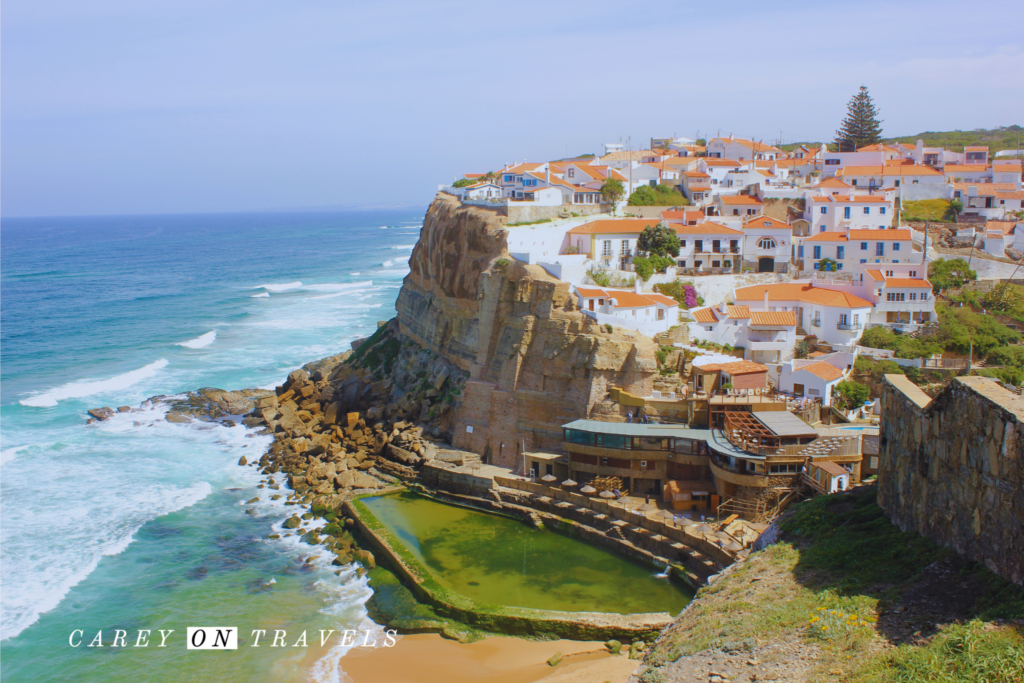
Destinations with short distances and quiet spaces can be much easier to navigate. I enjoy staying in quiet areas outside of the city or town center, that are close enough to walk in (or take easy public transport). Some of my favorite recent destinations (during shoulder season and off season) like this included:
- Cascais, Coimbra, and Tavira, Portugal
- Heidelberg and Freiburg, Germany
- Bath and Penzance, England
- Paphos, Cyprus, during the off season
- Boulder, Colorado and Portland, Maine, USA
READ MORE: Where to Stay when Traveling with Chronic Illness
3. Building Rest Into the Trip
Rest is no longer something that happens only after travel.
It’s part of the itinerary.
I tend to do a lot more in the morning, taking it easy in the afternoons, but the timing may be different for you, depending on when you have the most energy. Examples of rest that I include:
- afternoon hotel breaks (sometimes even a nap)
- reading a book in the shade with a view of the sea
- scenic cafés between activities
- relaxing walks through a botanic garden
These pauses aren’t wasted time.
They make the rest of the trip possible.
READ NEXT: The Chronic Traveler’s Pre-Trip Energy Planning Checklist

4. Planning Travel Days Carefully
Travel days can be the most physically demanding part of a trip. The stress that these days cause can easily trigger a flare.
To make them easier, I try to:
- avoid extremely early departures (flights, trains, etc.)
- stay close to transport hubs, avoiding long drives before or after flights
- choose direct flights when possible
- if you take connecting flights, leave a comfortable amount of time between flights
- choose a travel companion who understands your medical needs and can help keep things calm
- schedule recovery time after travel
- if you need help at the airport (e.g., wheelchair, extra time to board), be sure to contact the airline in advance
Reducing the amount of energy you spend on a travel day may ensure you have more energy on your 1st day at your destination.
While you can’t avoid all travel delays and stress, reducing travel day stress can dramatically improve the entire trip.
READ NEXT: Guide to Flying with Chronic Illness
5. Packing With Energy in Mind
Packing strategically can reduce physical strain.
Helpful items often include:
- compression socks or tights for flights
- portable medications and tools to reduce your symptoms
- water bottles and electrolyte packets/tablets
- comfortable shoes
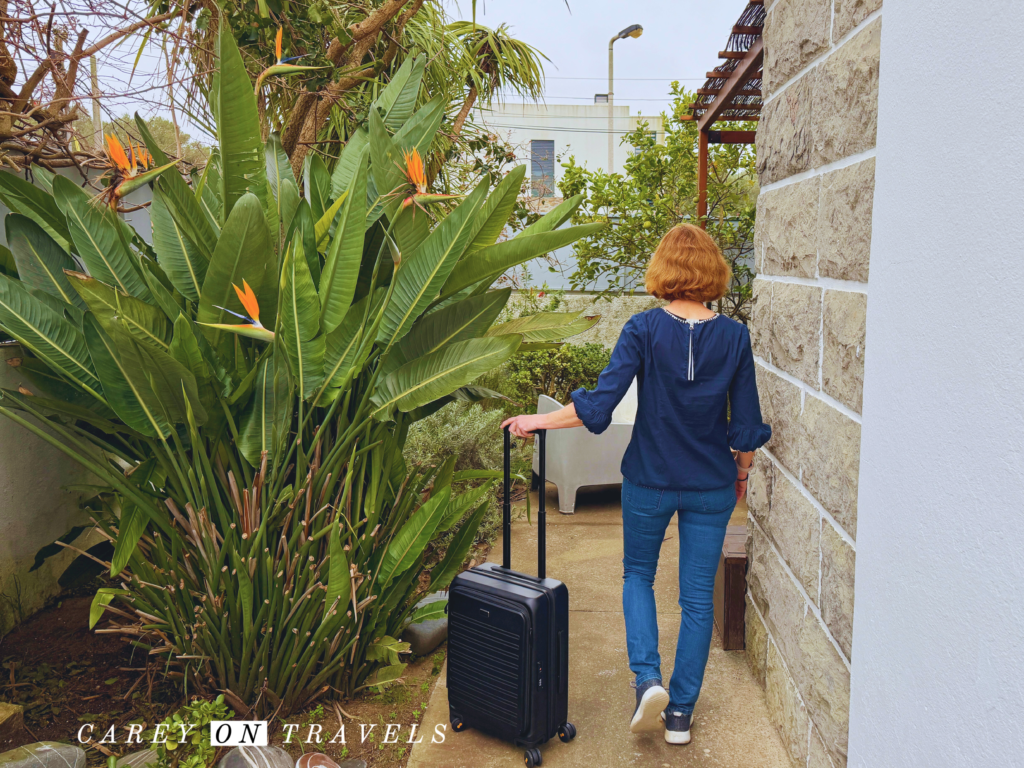
- lightweight luggage
- small, packable cooler pack to bring along snacks
If flying, remember to bring all medications in your carry-on. Bring enough extra medicine to get through at least 3-4 days. This will reduce your stress in case your checked luggage gets lost.
Packing with chronic illness is less about style and more about function and comfort.
READ NEXT: The Chronic Traveler’s Essential Packing List
6. Accepting Flexibility
Perhaps the hardest lesson was this:
Plans may need to change.
Symptoms may flare.
Energy may fluctuate.
Unexpected rest days may happen.
Learning to adjust plans without guilt can make travel much less stressful.
One main way I’ve approached this is to create travel lists (things I, or those traveling with me), want to do. We agree on the highest priority items, but unless necessary, don’t schedule these in advance.
On our family trip to the Azores last year, we did book one tour (kayaking to a volcanic islet) well in advance, since it was likely to sell out. For all other days, we planned the next day the night before, based on the weather forecast and how we’re feeling. We specifically planned an easier day before our kayaking tour to ensure I had the energy to go on this half-day tour.
Sometimes the best travel moments happen when plans shift.

7. Celebrating Small Travel Moments
One unexpected gift of traveling with chronic illness is that it changes how you experience the world.
When you travel more slower, you notice things more deeply:
The smell of fresh pastries from a bakery.
The sound of waves along a quiet beach.
A conversation with local shop owners.
On my recent Cyprus trip, I stumbled on a small museum when wandering the streets of Paphos. Though the museum itself was quite small, I ended up in conversation with the museum owner, whose father was one of the lead archaeologists working on preserving the vast Roman ruins I had visited just the day before. Not only did she have very interesting relics, but I learned so much about the history the preservation project. It turned into one of the highlights of my day.
Travel becomes less about checking places off a list and more about being present where you are.

How to Start Traveling Again With Chronic Illness
If travel feels overwhelming right now, consider starting small.
Instead of planning a major international trip, you might try:
- a short weekend getaway
- a nearby nature destination
- a slow city break
- a relaxing coastal town
The goal isn’t to recreate your old travel style.
The goal is to build confidence again.
Think about trying a short getaway in a style you consider relaxing. Be sure this matches with what you are capable of doing now (not what you’d like to be able to do in the future).
Over time, many travelers discover they can do more than they initially expected.
Tips for Travel With Chronic Illness That Made the Biggest Difference
These strategies consistently make travel easier:
✔ choosing accommodations in central locations
✔ avoiding overly packed itineraries
✔ building rest time and flexibility into each day
✔ allowing recovery days after travel
✔ researching accessibility and transport options
Small adjustments can make a surprisingly big difference.
READ NEXT: How I Avoid Post-Travel Fatigue with Chronic Illness
Travel Is Still Possible
Chronic illness may change how we travel.
But it doesn’t have to take travel away entirely.
With patience, flexibility, and thoughtful planning, it’s possible to rediscover the joy of exploring the world.
The trips may be slower.
The itineraries may be simpler.
But the sense of discovery is still there.
And sometimes, that’s enough.
Final Thoughts: The World Is Still Waiting
If chronic illness has made travel feel out of reach, you’re not alone.
Many travelers go through a period where the idea of a trip feels impossible.
But travel doesn’t have to look the way it used to.
It can be:
- slower
- simpler
- more intentional
- more restorative
Sometimes the hardest step is simply planning the first trip back.
But once you do, you may discover something wonderful:
The world is still waiting for you—just at a gentler pace.
If you enjoyed this post, please pin it for later!


This is a wonderful article. It is clear that you write with honesty and practicality as you suffer from a chronic illness. I think this post will inspire other people to try travel again.
Thank you for your feedback Terri. I do hope that this can help others to travel again (or travel more comfortably).
I have a friend who has a chronic illness and has struggled to get back into travel, or acknowledge that it may just have to be different. That was a part of your post that struck me: grieving for the type of travel you used to do. I’m sure this will be a helpful guide to others with similar challenges, and it’s good to know you have learned to appreciate a new type of travel that can still fulfil your adventurous side without exerting yourself to the point where the usual relaxed feeling of a trip isn’t accomplished.
Thank you for the feedback. I hope your friend is able to begin traveling again in future.
I love how you say.. “give yourself permission” this is so true. i booked a large long vacation once after my diagnosis bc i told myself i need to take this trip bc the what if I don’t ever get the chance again. But I gave myself permission is symptoms flared, I would rest. 2 hours into visiting Lisbon Portugal i had to stop, when back and rested/slept the rest of the day. I missed a whole day basically, but I will never beat myself up over it. You have to listen to your body and people need to realize this when traveling. It is OK to say no.
I’m so glad to hear that you’ve also taken this approach. Taking a break when you need it can let you enjoy the rest of your vacation (even if you miss that day’s activities).
Travelling with chronic illness is so hard to understand if you haven’t done it. It takes a lot more planning for sure, and more flexibility, all at once.
It definitely takes more planning. At the same time, I’ve found it gives me the freedom not to overplan my days with too many activities, and makes the trip more relaxing for everyone.
This is such a helpful post. I think also, as we age, many of these tips can be handy. I’m sorry to hear about your illness and inspired that you didn’t let it stop you from traveling.
Thank you for the feedback. Yes, many of these principles apply to those who are aging, or who simply appreciate a slower style of travel.
You are an inspiration. Thank you for your well thought out posts. Such great information, all the best to you.
Thank you for your comments. Hope you are able to enjoy your travels too!
Thanks for sharing, I found the same coming back to travelling later my Type 1 Diabetes dignosis, it was adjusting to the new normal of how I did my holidays, it was a challenge but I managed it, these are good tips for people with the same or different illness 🙂
Thanks for the feedback Nic. Years ago, we managed returning to travel after our son’s type 1 diagnosis. As you mention, it can be a challenge but becomes the new normal.