
Best Destinations for Slower Travel (How to Choose the Right Place)
Slower travel isn’t just about staying longer—it’s about choosing destinations that make it easy to move at your own pace.
Whether you’re traveling with chronic illness, managing energy levels, or simply want a more relaxed experience, the biggest factor isn’t your itinerary—it’s your destination. Some places naturally support slower travel. Others require constant movement, long drives, or high energy just to experience them.
This guide will help you choose the best destinations for slower travel, based on what actually makes a place feel easier, calmer, and more enjoyable.
This post may contain affiliate links. If you make a purchase through these links, we will earn a small commission at no additional cost to you. We recommend products we have personally used or verified. Read the full disclosure here.
What Makes a Destination Good for Slower Travel?
Instead of focusing on where to go first, let’s start with how a place functions. The best destinations for slower travel tend to share these characteristics:
1. Walkability (Without Overexertion)
One of the most important factors in slower travel is being able to step outside and explore without needing a plan—or a car.
Look for places where:
- Key sights, food, and cafés are close together
- You can explore on foot (without needing to go long distances)
- Terrain is manageable for you (or effort is optional)
- Good public transport infrastructure (as a backup to walking)
A few of our recommendations:
- San Sebastián, Spain – Flat beachfront promenade + compact old town (with easy access to surfing)
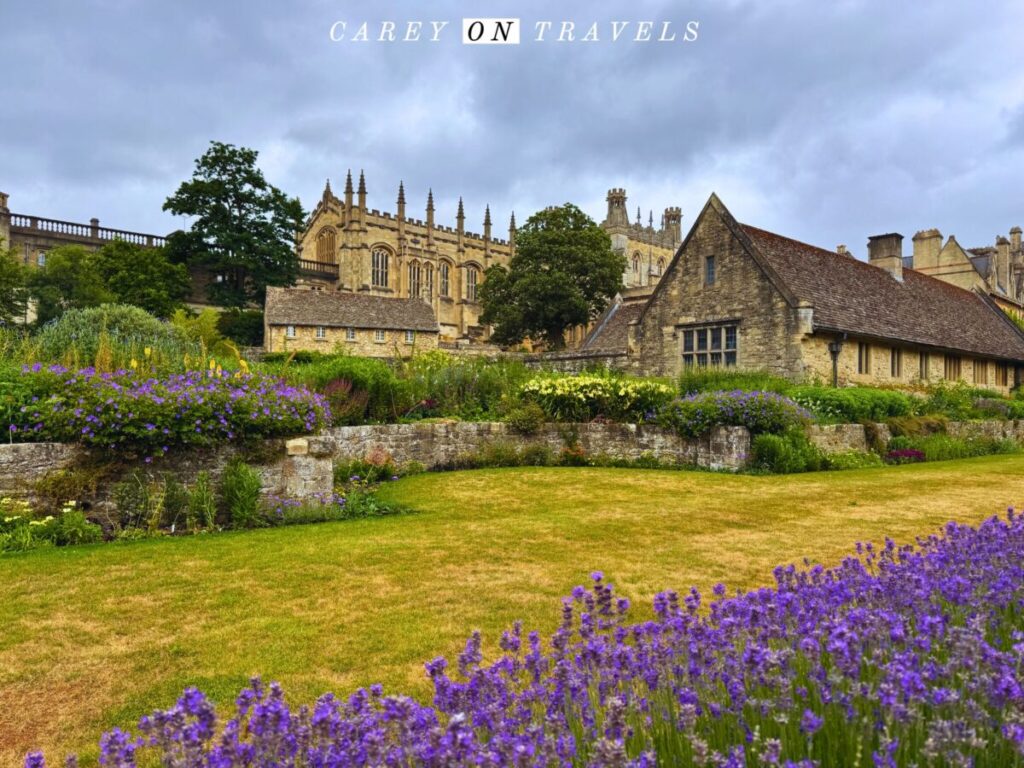
- Oxford, UK – Walkable historic center with everything close together, and long river paths to explore
- Burlington, Vermont – Small downtown + lakefront, with optional hikes and outdoor adventures
- Kyoto – Compact districts like Gion and Higashiyama make it easy to explore on foot, with temples, cafés, and quiet streets all within short walking distances
2. Built-In Places to Rest
A great slow travel destination naturally includes:
- Café culture
- Scenic places to pause without effort
- Parks, waterfronts, or plazas
- A culture that encourages lingering
Slower travel works best when rest isn’t something you have to plan—it’s something the destination naturally provides.
A few of our recommendations:
- Vienna, Austria – Coffeehouses designed for lingering and wonderful parks to enjoy along the river
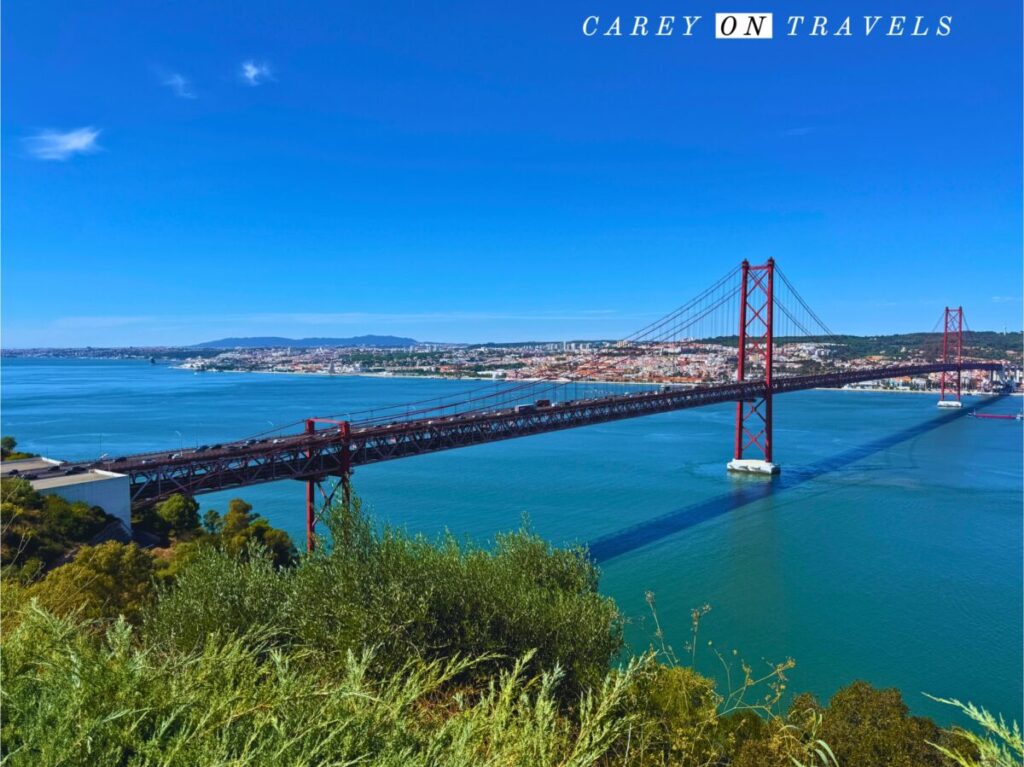
- Lisbon, Portugal – Miradouros (viewpoints) built for stopping and taking in the view (if you don’t mind the hills)
- Brighton, UK – Long seaside promenade with frequent places to sit, access to the Coast path and South Downs National Park
- Ubud, Indonesia – Calm, café-rich environment with gardens, rice field views, and plenty of peaceful spots to pause without needing to plan ahead
3. Strong Public Transportation (or Easy Access Without Driving)
One of the fastest ways to drain energy is needing to drive everywhere.
The best slow travel destinations:
- Offer reliable public transportation (you don’t need a car)
- Day trips are easy and low-effort
- Let you shorten your day when needed
A few of our recommendations:
- Cascais, Portugal – Flat waterfront promenade + compact old town, easy train ride to Lisbon (for a similar experience close to Porto, consider Foz do Douro)
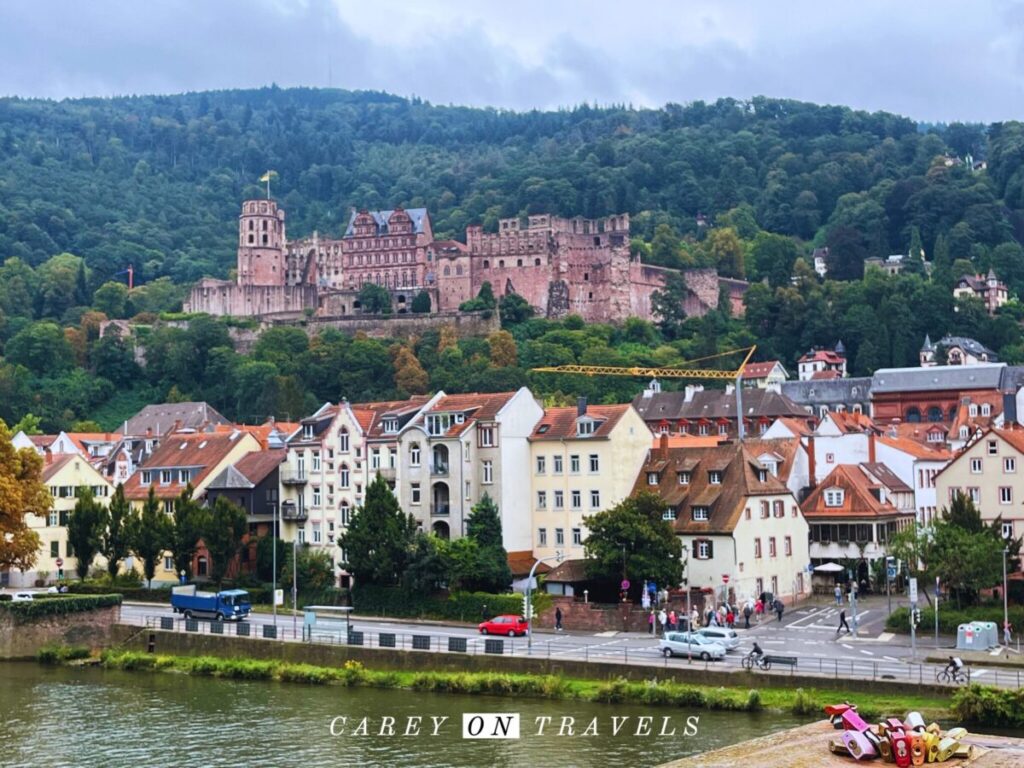
- Heidelberg, Germany – Compact with strong regional connections
- Singapore – Clean, reliable metro (MRT) and compact layout make getting around incredibly simple
4. A Flexible Activity Level
The best destinations for slower travel don’t force you into one type of experience.
You want places where you can:
- Have a low-energy day (wandering, cafés, views)
- Or opt into something more active if you feel up to it
A few of our recommendations:
- Vancouver, Canada – Walkable city with waterfront paths, plus optional hikes and outdoor activities nearby
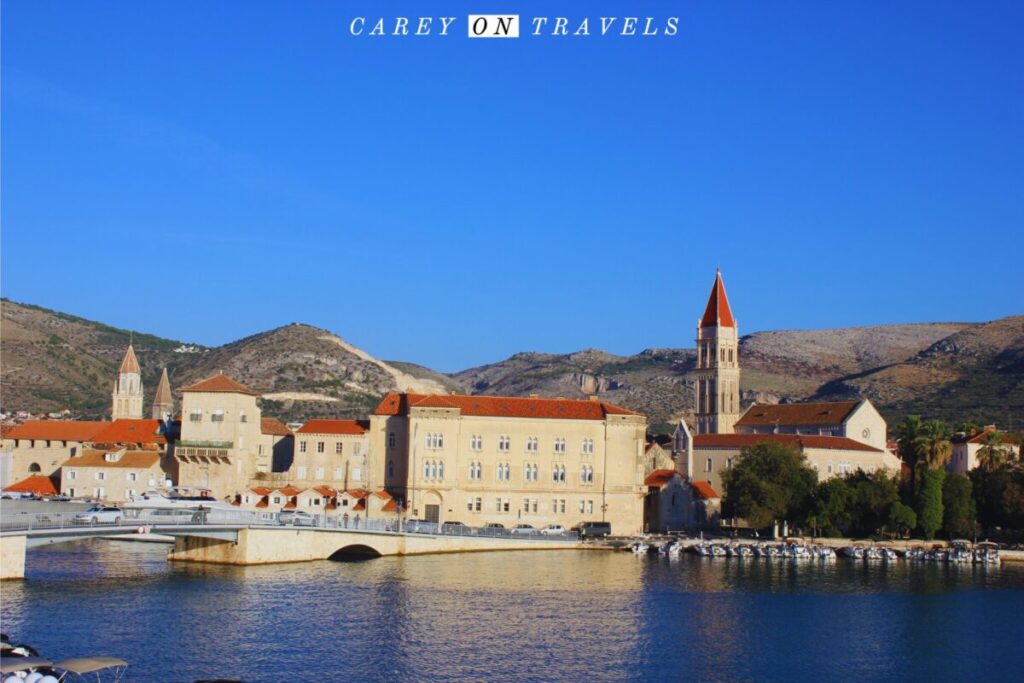
- Trogir, Croatia – Smaller and calmer base compared to nearby hotspots such as Split
- Salzburg, Austria – Easy old town wandering and café stops, with optional hikes or mountain viewpoints nearby
5. A Naturally Slower Pace
Some destinations simply feel less rushed—and that makes a huge difference.
Look for places where:
- Long meals are the norm
- People sit and enjoy public parks and squares
- There’s no pressure to move along or rush
A few of our recommendations:
- Alentejo, Portugal – Quiet towns and a slower rural rhythm
- Paphos, Cyprus – Relaxed coastal lifestyle, with easy walks or a bus to historic sites
- Chania, Crete (Greece) – Old town wandering + optional beaches or excursions
READ NEXT: Slow Travel Portugal, Best Base Towns by Region

6. Minimal Logistics (No Constant Moving Required)
Some destinations are beautiful—but exhausting—because you have to constantly move to experience them.
The best slower travel destinations:
- Let you stay in one place
- Offer plenty to do nearby
- Don’t require daily planning or long travel times
A few of our recommendations:
- Edinburgh, UK – Compact and easy to navigate, with a walkable historic center, excellent public transport, and plenty to see without needing day trips or a car
- Portland, Maine – Compact with plenty of food, views, and walkable areas
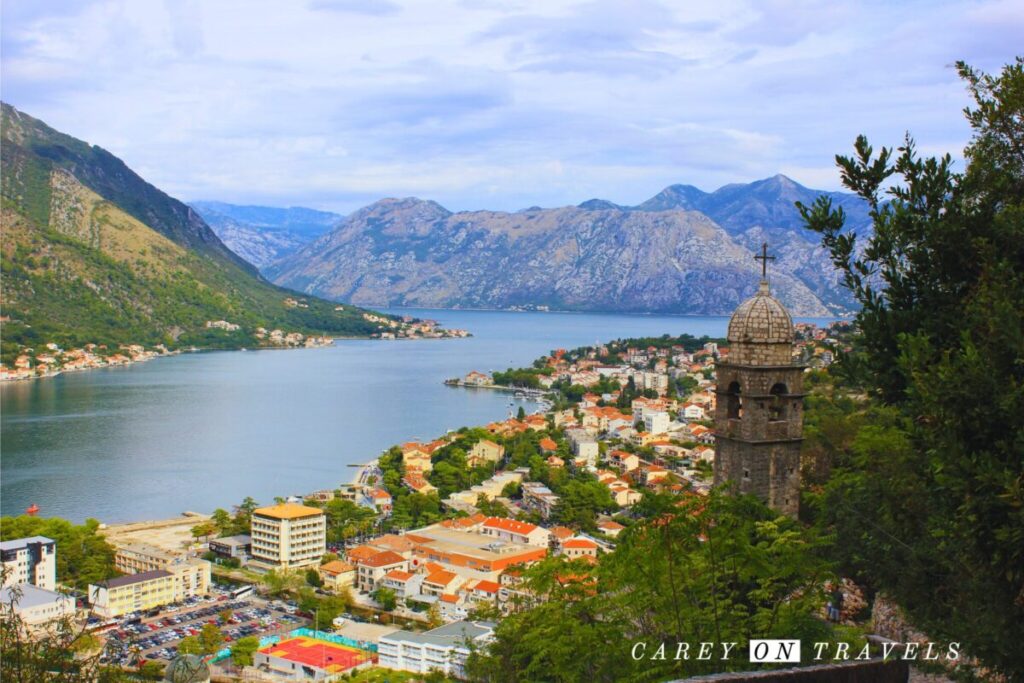
- Kotor, Montenegro – Lakeside setting with historic center, hikes and water activities nearby
7. Small University Cities (A Reliable Shortcut)
If you’re unsure where to go, start with a university town—they tend to be some of the best destinations for slower travel, especially in Europe and North America.
Small university cities tend to offer:
- Walkability
- Good public transportation
- Cultural activities
- A lively but manageable atmosphere
A few of our recommendations:
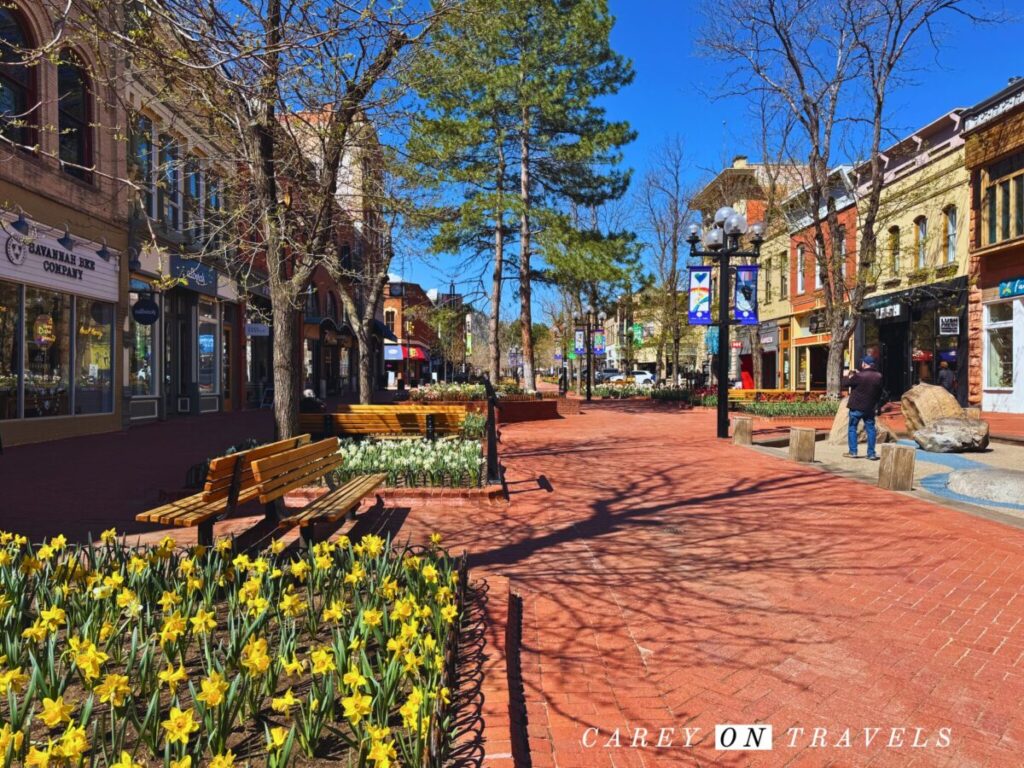
- Boulder, Colorado – Outdoor access with a structured town base
- Freiburg im Breisgau, Germany – Sunny, compact, highly livable, easy access to the Black Forest
- Coimbra, Portugal – Compact, highly walkable, with great public transport connections
- Montreal – Vibrant student population, walkable neighborhoods, and excellent public transportation
8. Mild Climate (or Shoulder Season Potential)
Climate can make or break a slower travel experience. Even the most walkable, beautiful destination can feel exhausting if you’re dealing with extreme heat, cold, humidity, or wind.
The best destinations for slower travel:
- Have comfortable temperatures for walking and resting outdoors
- Allow you to spend time outside without constant recovery breaks
- Offer shoulder seasons where conditions are more manageable
Instead of avoiding destinations altogether, it’s often about choosing the right time to go.
Seasonal Sweet Spots for Slower Travel
If you’re planning around climate, here are a few destinations that tend to offer milder, more manageable conditions by season:
Winter (avoid extreme cold, still enjoy being outside):
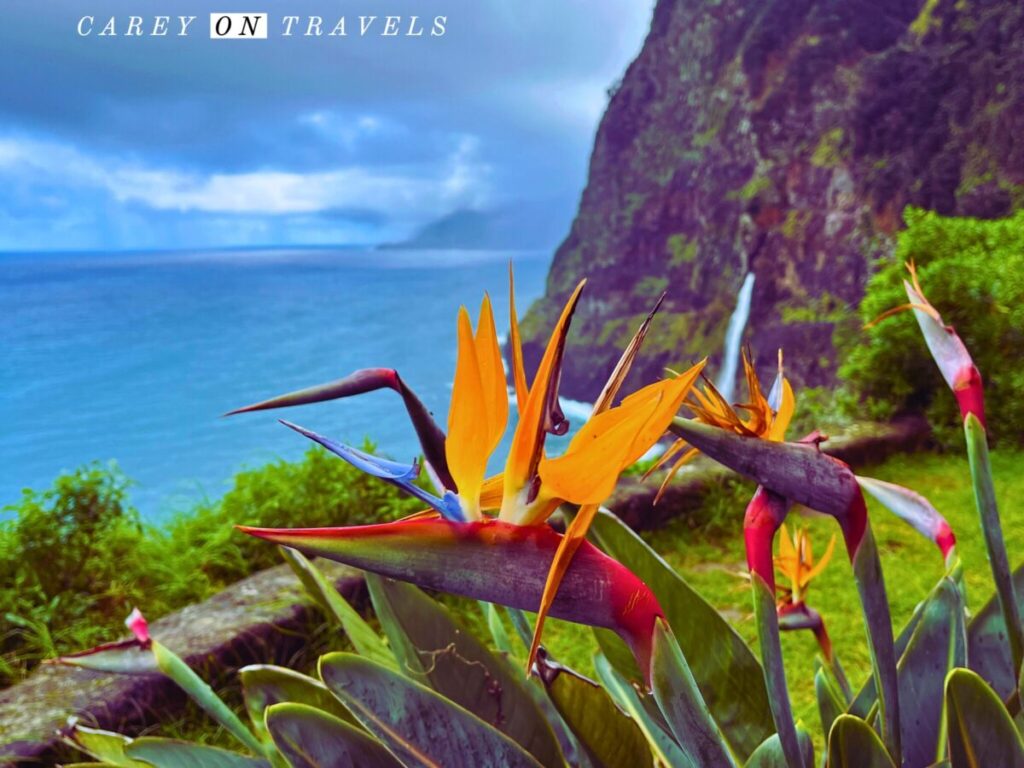
- Funchal, Madeira – Mild temperatures, plenty of sunshine (with some rainy days mixed in), and fewer crowds
- Tenerife, Canary Islands, Spain – One of Europe’s warmest winter destinations with easy coastal walking (on the south coast)
- Marrakesh – Warm days, cool evenings, and plenty of riads and courtyards for built-in rest
Spring (comfortable walking weather, fewer crowds):
- Seville, Spain – Warm but not yet intense, ideal for wandering and outdoor dining
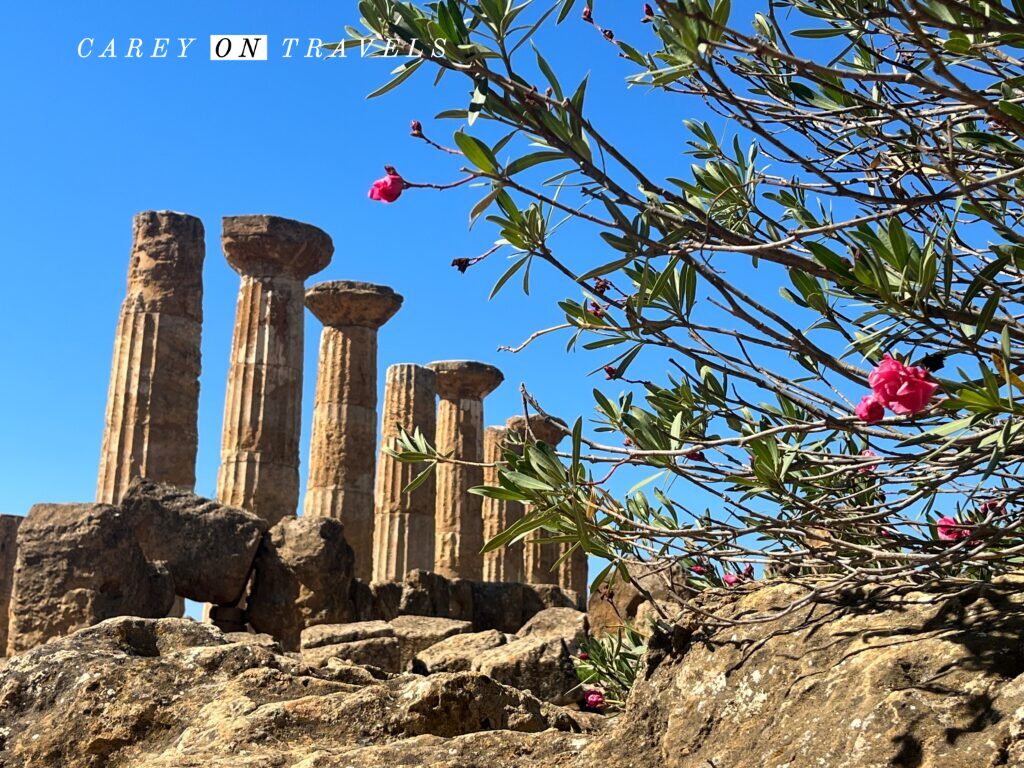
- Sicily, Italy – Parks, cafés, and cultural sites are at their best in mild spring weather with fewer crowds
- Kyoto – Mild weather, walkable districts, and endless places to pause during cherry blossom season
Summer (avoid extreme heat where possible):
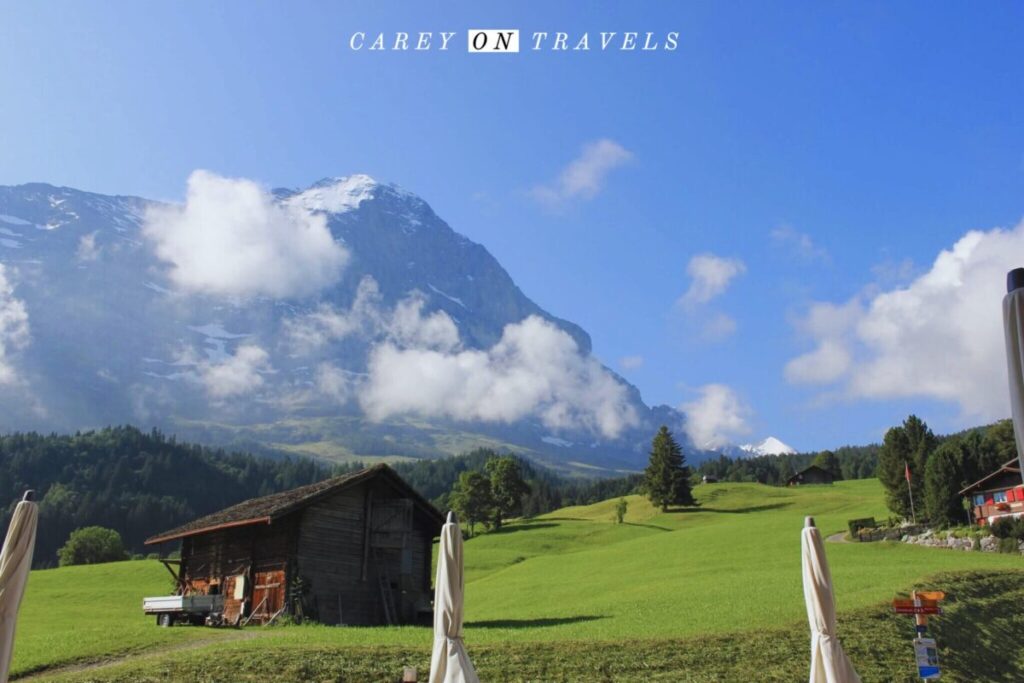
- Swiss Alps – Higher altitudes keep temperatures comfortable
- Colorado mountains – like the Swiss Alps, the altitude tends to keep the extreme heat away
- Cornwall, UK – Seaside location moderates summer heat
- Cape Town, South Africa – It’s winter here, meaning cooler temperatures and great conditions for exploring
Fall (arguably the best season for slower travel overall):
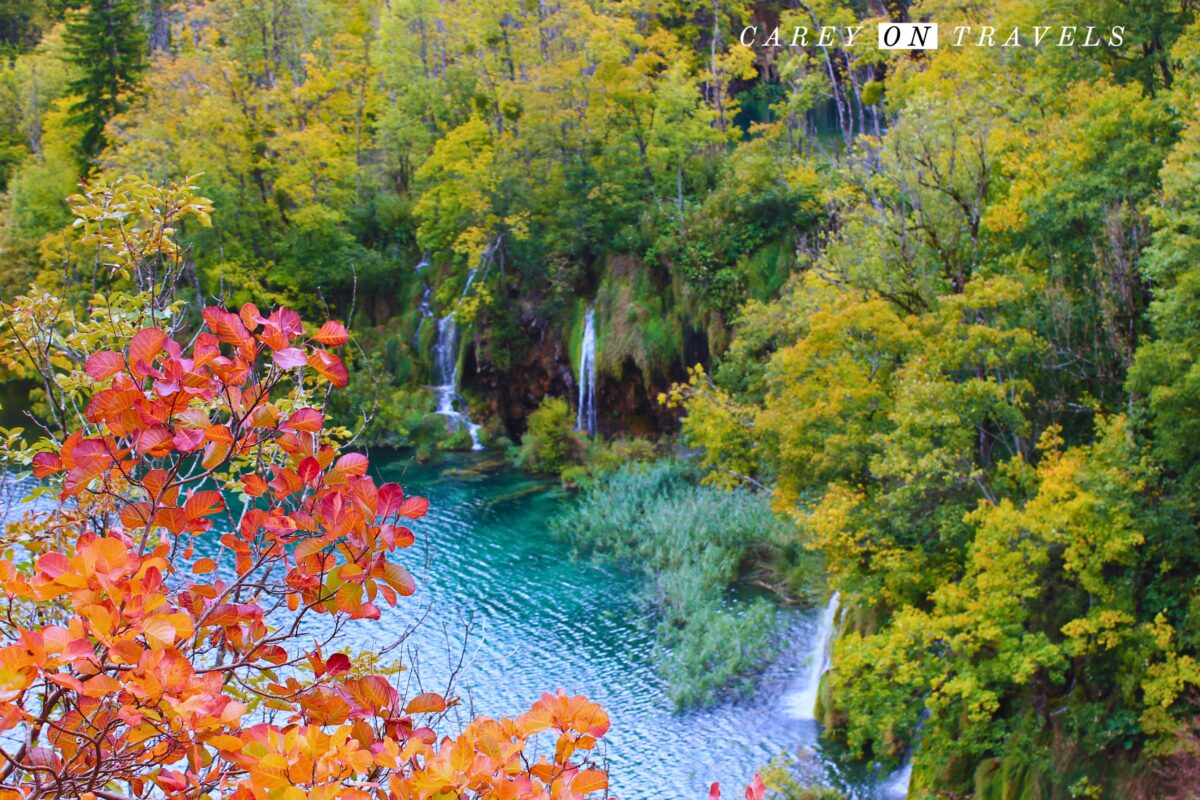
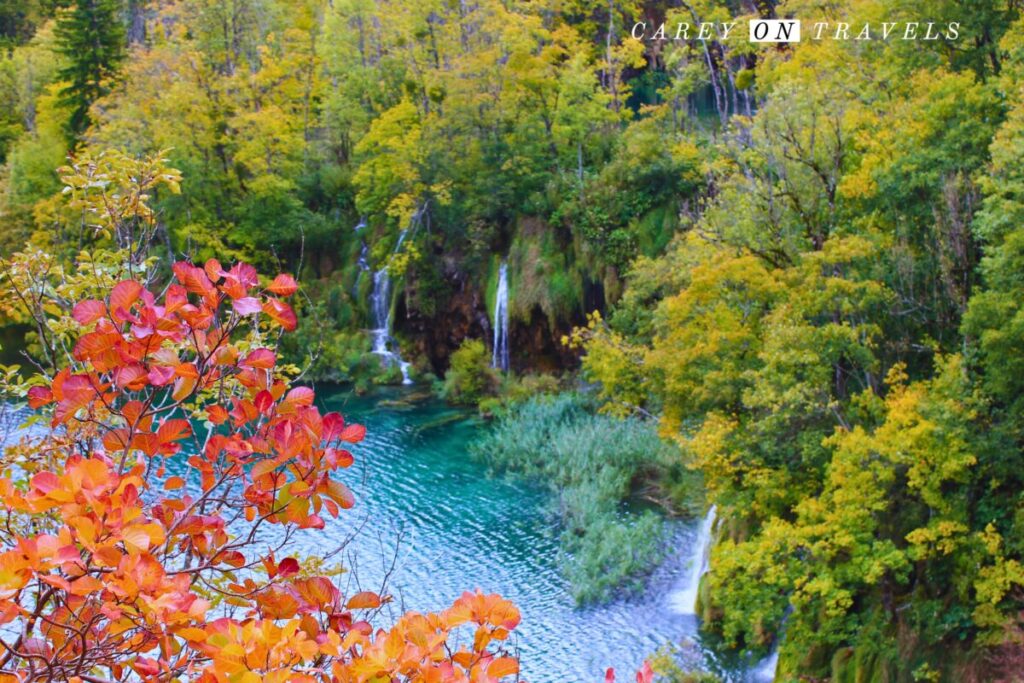
- Rastoke/Plitvice Lakes, Croatia – Warm days, cooler evenings, spectacular fall foliage, and fewer crowds
- Porto, Portugal – Pleasant temperatures with a relaxed, post-summer atmosphere
- Buenos Aires, Argentina – Spring season with comfortable temperatures, walkable neighborhoods, and café culture
Tip: Traveling across hemispheres is one of the easiest ways to find mild weather year-round without limiting your destination choices.
How to Choose the Best Destination for Slower Travel
When deciding where to travel slowly, ask yourself:
- Can I explore easily without a car?
- Are there places to rest without planning ahead?
- Can I adjust my day based on how I feel?
- Does this place feel like it supports slowing down—or rushing?
- As with any destination, is this a safe place to visit and explore?
If the answer is yes, you’ve likely found a destination that will work with you—not against you.
Final Thoughts: Why Choosing the Right Destination for Slower Travel Matters
The biggest difference between a stressful trip and a restorative one often comes down to location.
The best destinations for slower travel:
- Reduce decision fatigue
- Minimize physical strain
- And allow you to fully enjoy where you are
When you choose the right destination, you don’t just travel more slowly—you travel better.
For More Chronic Travel Tips:
- How I Learned to Travel Again After Chronic Illness
- The Chronic Traveler’s Pre-Trip Energy Planning Checklist
- How I Avoid Post-Travel Fatigue
- Packing List for Chronic Illness
- How to Plan a Travel Itinerary with Chronic Illness
If you enjoyed this post, pin it for later!


What a lovely post! In this day and age of constant rushing and hustling, I love this compilation of slower-travel destinations. It’s very much my style of travel. Would absolutely love to visit Kotor in particular.
Hope you can visit Kotor, especially during the shoulder seasons!
I am totally committed to slow travel. I prefer to spend more time in one spot, pretending that I live there, rather than skipping from one place to the next, checking off boxes in as many boxes as possible. I want to unpack, find a couple of cafes that I hang out at, and become a part of the local landscape, even if it’s just temporary. One of my best trips was the month I spent in Stockholm, Sweden. I went to attend a blogger’s convention but decided to arrive a week early and stay in an air BNB for four weeks, which gave me a 20% discount. I was lucky enough to meet a fellow writer in a bookstore on my first day, which led to an invitation to “continue our conversation at a nearby cafe”, where I became a regular. What an amazing experience that was.
That sounds like an amazing experience, and wonderful to meet another writer so early in the trip.
I think about people who I traveled with and how they are exhausted by the grind of non-stop touring from 9 am to 9 pm. This is such a helpful guide. I also agree that shoulder season travel is preferred. I recommend Trieste as an ideal city to slow down with long meals at a canal side restaurant or a picnic on the pier.
Thank you for the suggestion of Trieste as a slow travel destination!
A good blog post on things to consider for slower travel. As we age, these tips are things we consider for each trip. A lovely list of spots to keep us travelling for a long time.
Hope this can inspire some of your future travel!
These are such great recommendations for any traveler and I love how you’ve matched locations with each tip. Will be saving this post!
Thanks Heather!
Love the shoulder season list! Madeira has been on my list for years – I’d love to take a full week at least to explore the whole island and visit the wineries.
I’d recommend Madeira not just for shoulder season, but also off season (winter), if you’re ok with inconsistent weather.
This is a fantastic guide. We have not yet taken a “full” slow travel trip but add slow travel onto the ends of our regular trips. But we are looking into this for the next few years and will follow your guide to find a good destination.
Mixing slower travel on the end of a more traditional trip is a great way to get started on this.
This is a good perspective on slow travel. It’s true; some destinations make it seem normal and expected. You’re just forced to slow down.
Thanks for the feedback.
You’ve highlighted so many great destinations here! Slowing down to enjoy them, whether out of medical necessity or simply just because, will enrich the experience immeasurably. Slow travel for the win!
Thank you for the feedback. Hope you found some new slow travel destination ideas too!