
Slow Travel Portugal: Best Base Towns by Region for a More Sustainable Trip
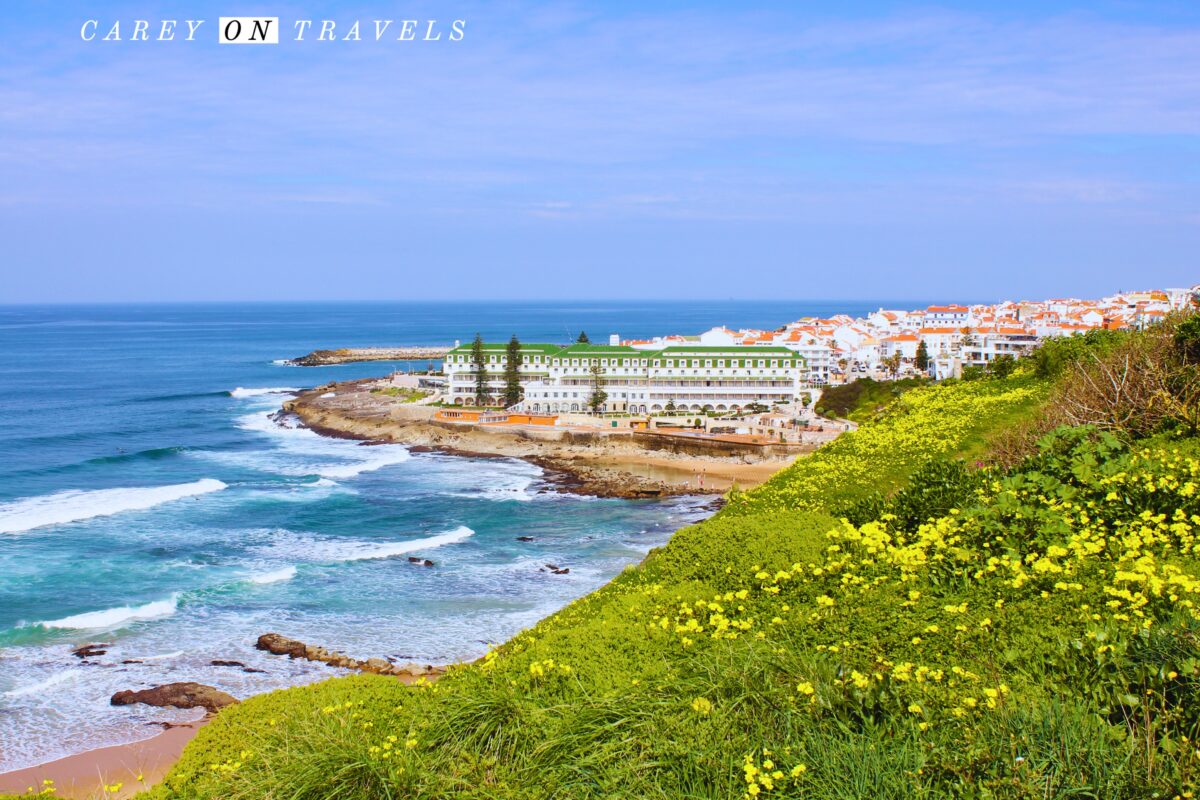
Enjoying Slow Travel Portugal isn’t just about staying longer—it’s about choosing the right place to stay. If you’re traveling with chronic illness, fatigue, or simply want a more intentional pace, your base town matters more than your itinerary. The right destination helps you conserve energy, build in rest naturally, and explore without constantly moving.
Portugal is one of the best countries in Europe for slow travel. With reliable public transport and a culture that embraces lingering over meals and moments, it’s ideal for choosing one base and exploring gently. Here are the best base towns for Slow Travel Portugal (focused on the mainland), organized by region.
This post may contain affiliate links. If you make a purchase through these links, we will earn a small commission at no additional cost to you. We recommend products we have personally used or verified. Read the full disclosure here.
Portugal Slow Travel Destinations
| Regions | Destinations |
|---|---|
| Lisbon Area (including Setúbal) | Cascais Ericeira Setúbal |
| Central Portugal | Coimbra Tomar Schist Villages |
| Northern Portugal | Viana do Castelo Guimarães |
| Alentejo | Évora Vila Nova de Milfontes |
| Algarve | Tavira Vila do Bispo Odeceixe |
Lisbon Area: Coastal Calm with Easy Access
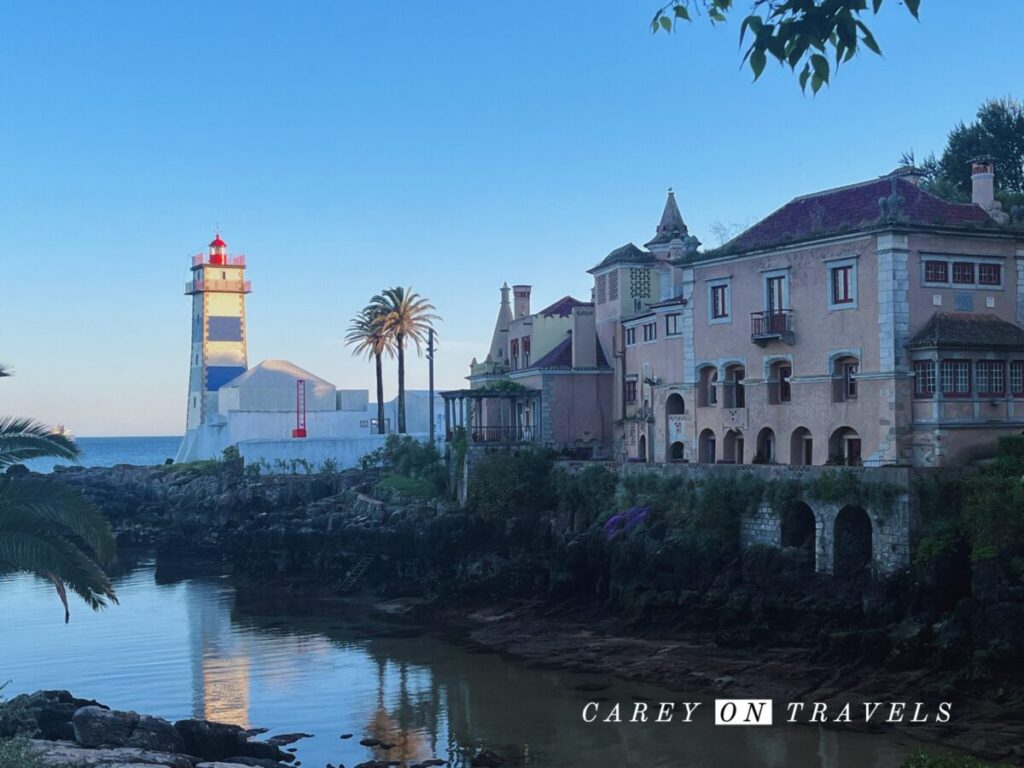
Cascais
Cascais is one of the best bases for Slow Travel Portugal near Lisbon—offering a relaxed coastal atmosphere with easy city access.
Why it works:
- Flat and walkable (rare for this region)
- Direct train to Lisbon with minimal effort and beautiful sea views
- Beaches, cafés, and scenic promenades for built-in rest, both along the Tagus River and the Atlantic Coast
What Makes It Special:
- A seamless blend of seaside relaxation and refined charm
- Easy access to both quiet beaches and lively town squares
- Variety of museums and cultural events available
- A setting where even a short walk along the waterfront promenade feels like an experience
Chronic Traveler tip: Enjoy your day trip into Lisbon, but escape back to quiet seaside relaxation in Cascais.
Ericeira
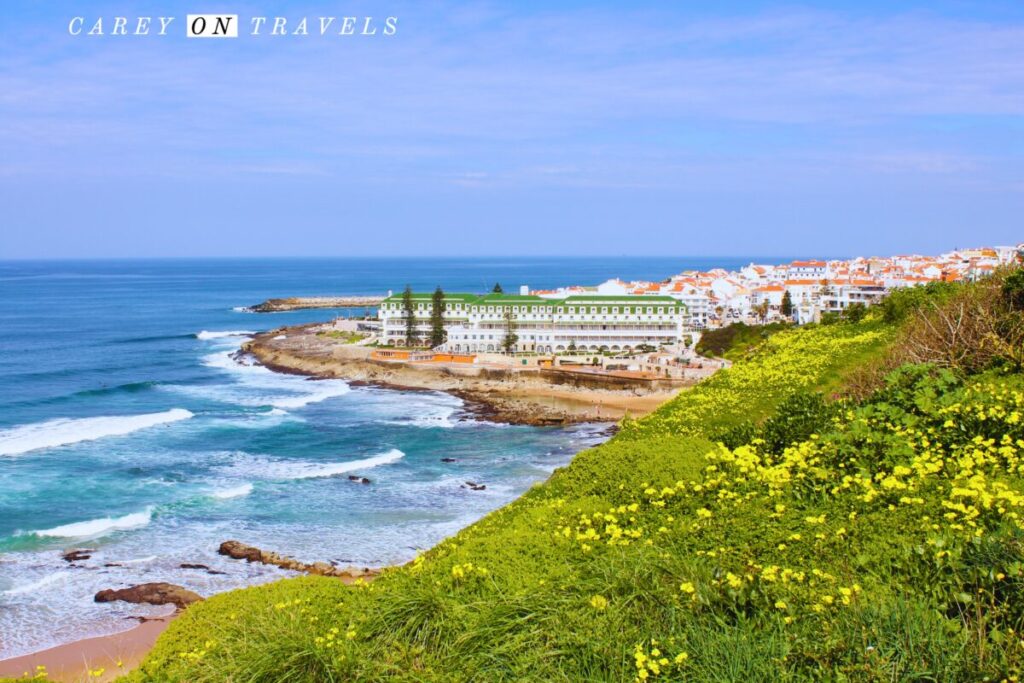
Ericeira offers a slower, more local surf town feel with dramatic coastal views.
Why it works:
- Compact and easy to navigate
- Calming ocean views from nearly everywhere
- Less crowded than Cascais
- Direct buses to Lisbon typically take less than an hour
What Makes It Special:
- One of Europe’s only World Surfing Reserves, with a laid-back vibe beyond just surfing
- Cliffside viewpoints that require minimal effort for maximum reward (while there are hills, these are gentler than in many Portuguese destinations)
- A strong sense of community that makes longer stays feel natural
Chronic Traveler tip: Choose accommodations with a terrace or ocean view—ideal for restorative downtime.
READ MORE: Where to Stay when Traveling with Chronic Illness
Setúbal
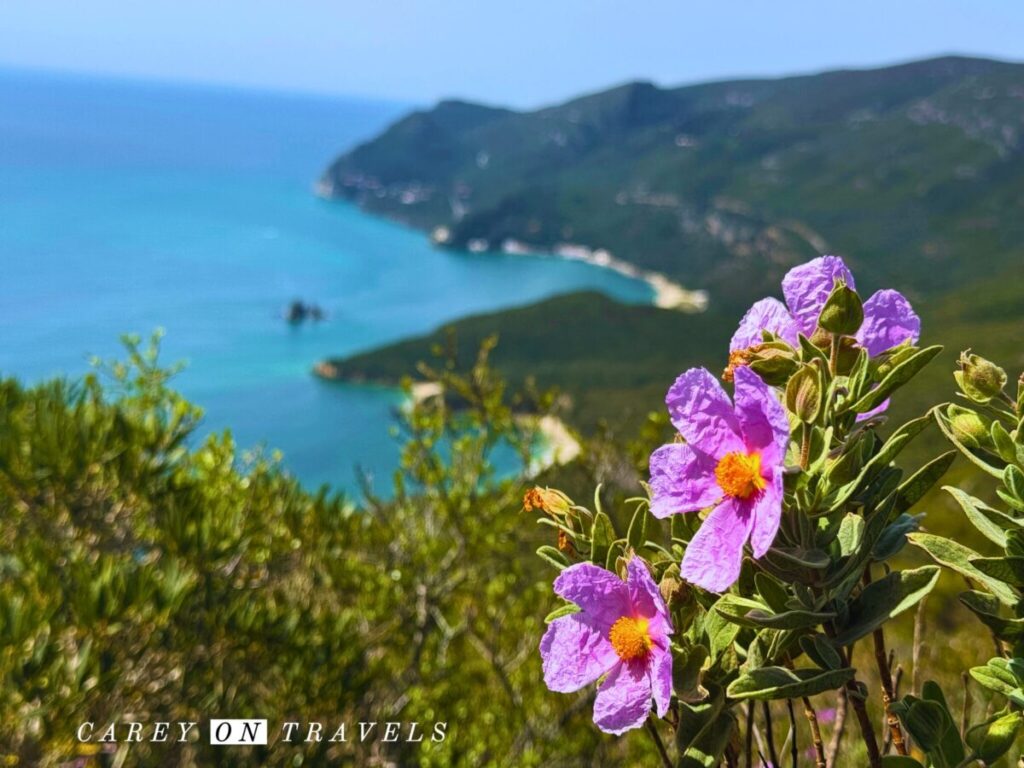
Nature lovers and those looking for a less polished slow trovel destination will want to consider a visit to Setúbal.
Why it works:
- Gateway to Arrábida Natural Park and the Sado Estuary
- Excellent seafood scene
- Fewer tourists and a more authentic feel
- Train from Lisbon in about 1 hour
What Makes It Special:
- Easy access to some of Portugal’s most stunning turquoise-water beaches
- A strong local food culture centered around fresh seafood and relaxed dining
- The ability to combine coastal scenery with a lived-in, non-touristy atmosphere
Central Portugal: Balanced, Cultural, and Flexible
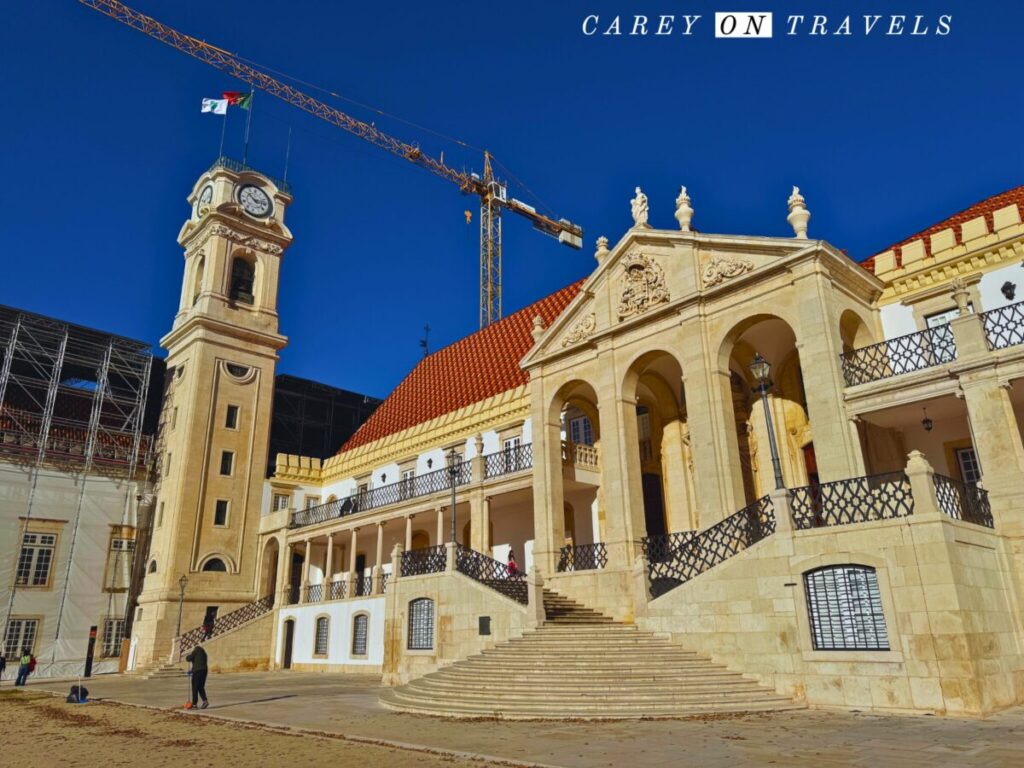
Coimbra
Coimbra is one of the best central bases for Slow Travel in Portugal.
Why it works:
- Manageable size with rich culture
- Strong train connections for low-effort day trips
- Relaxed riverside atmosphere
What Makes It Special:
- A historic university city that feels vibrant yet unhurried
- Riverside parks and paths naturally invite slower pacing
- A balance of culture and calm that’s hard to find elsewhere
Chronic Traveler tip: Coimbra is a city built into a hill. Stay near the river to minimize hills and daily exertion, or take advantage of buses or taxis to get from the lower city areas to the university’s historic sites.
Tomar
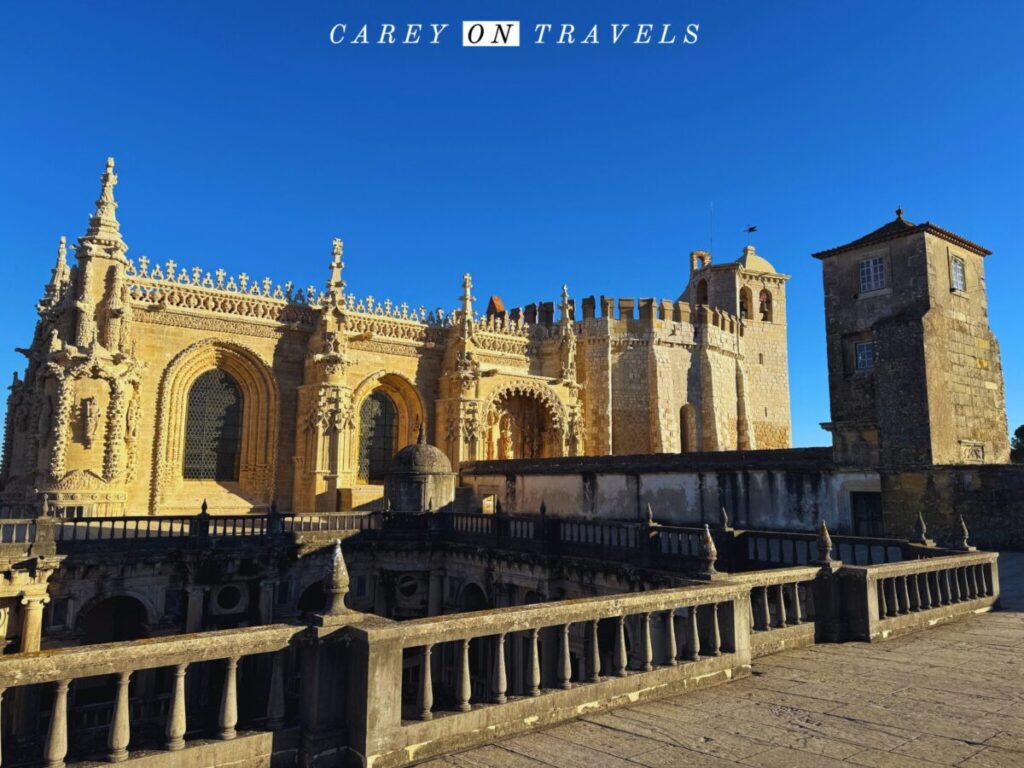
Tomar is a fantastic option for Slow Travel Portugal if you’re looking for history, walkability, and a peaceful setting.
Why it works:
- Compact town with a calm, local feel
- Easy to explore gradually over multiple days
- Easy train access from Lisbon and Coimbra
- The center of Knight Templar history in Portugal
What makes it special:
- The Convent of Christ offers layered history (convent +castle), which you can explore at your own pace. For those with mobility issues, be aware that the floors are quite uneven in parts within the convent.
- Riverside walking paths provide easy, low-effort movement
- A quieter atmosphere than more tourist-heavy destinations
- Explore downtown and the Jewish quarter to dive into Tomar’s history beyond the Knights Templar.
Chronic Traveler tip: Tomar is ideal if you want a culturally rich base without the energy demands of a larger city. If you have a car or join a tour, be sure to visit nearby Almourol Castle, set in the middle of the river.
Schist Villages (Aldeias do Xisto)
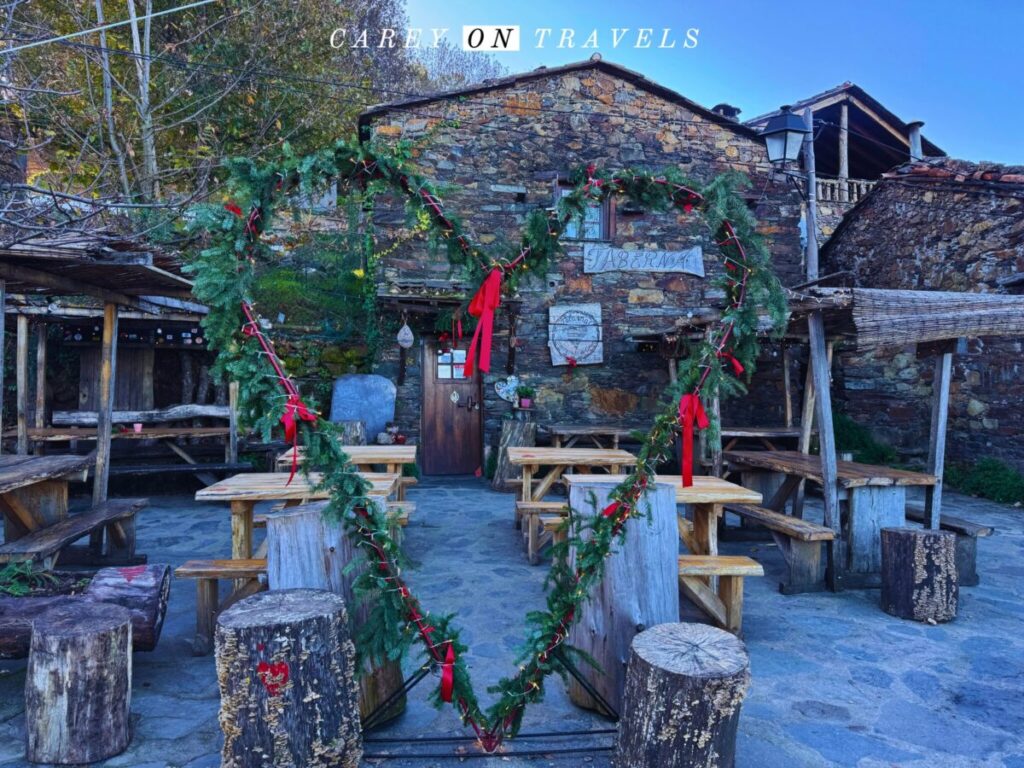
For a nature-focused version of Slow Travel Portugal, the Schist Villages offer a unique and deeply restorative experience.
Why they work:
- Small, quiet villages surrounded by forested landscapes
- Minimal crowds and low sensory stimulation
- Ideal for slow mornings, short walks, and true disconnection
Best approach:
- Choose one or two villages (such as Talasnal or Cerdeira) as a base rather than trying to see many
- Plan short, flexible walks rather than long hikes
- Combine a Schist village stay with an art workshop at Cerdeira Home for Creativity
Chronic Traveler tip: This region is best if you have access to a car and want a retreat-style stay with built-in rest.
Northern Portugal: Green Landscapes + Fewer Crowds
Viana do Castelo
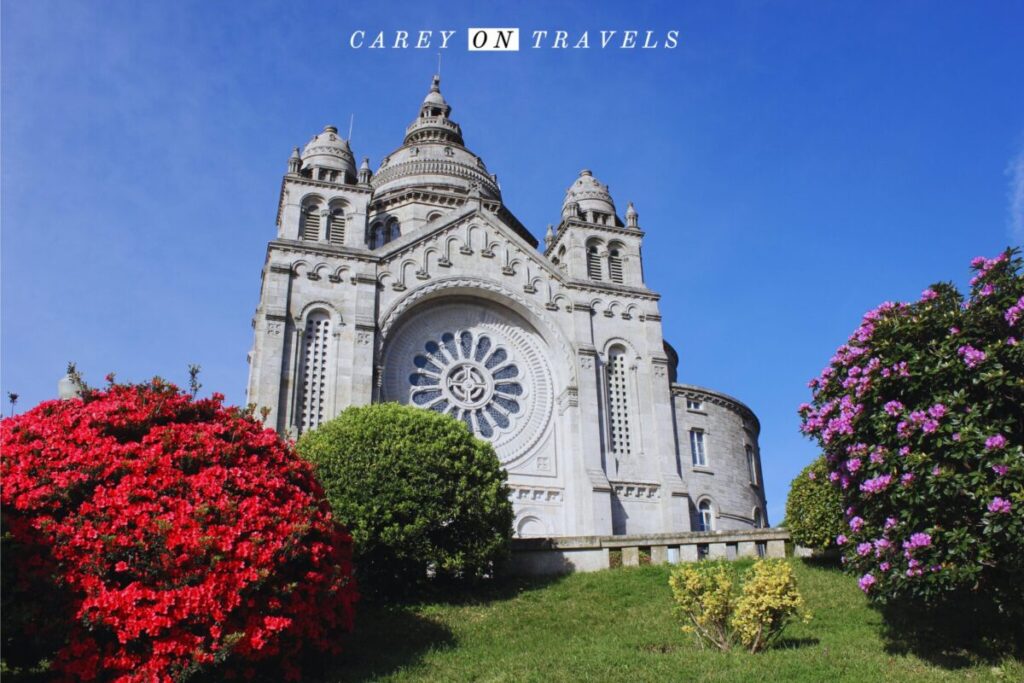
Viana do Castelo is one of the most underrated bases for Slow Travel Portugal, located about 1 hour 40 minutes by train from Porto
Why it works:
- Authentic, uncrowded atmosphere
- Access to coast, river, and green landscapes
- Museums and cultural events
- Cooler climate (helpful for energy management)
What Makes It Special:
- A rare combination of beach, river, and mountain scenery in one place
- Take easy walks along the Portuguese caminho coastal route and bike rides along the ecovia to the Roman bridge in Ponte de Lima
- A strong Minho cultural identity that feels distinct from southern Portugal
- Sweeping viewpoints that are accessible without strenuous effort
Chronic Traveler tip: During the winter months, it can be very rainy in this region. Plan a visit in late spring or early fall for the best chances of pleasant, mild weather.
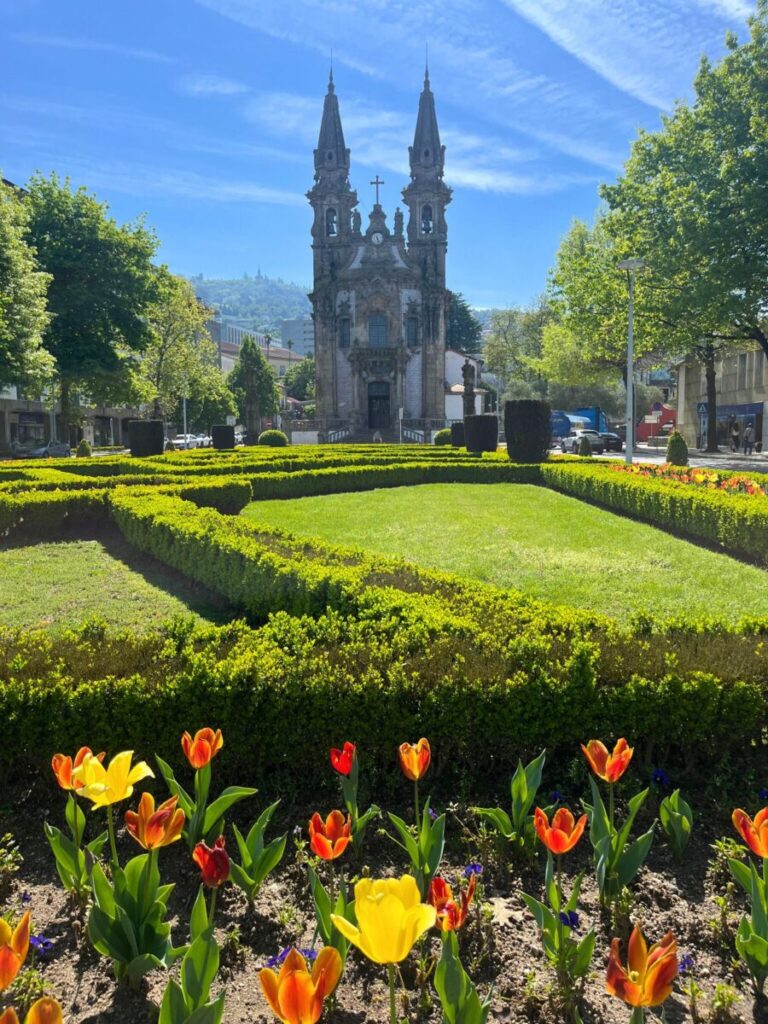
Guimarães
Guimarães, known as the birthplace of modern Portugal, is ideal for slower travel with a strong sense of history.
Why it works:
- Compact historic center (easy to explore gradually)
- Just a 45 minute rain ride from Porto
- Rich history without heavy crowds
- Slower pace than nearby Porto
What Makes It Special:
- A beautifully preserved medieval center that feels immersive but manageable
- A sense of history that unfolds naturally as you wander
- A quieter, more grounded alternative to Porto
- Easy day trips to Porto
Chronic Traveler tip: A great choice if you want culture without the intensity of a larger city. Take a trip up to the Penha Sanctuary above town for beautiful views (drive, take a funicular, or hike up).
Alentejo: Space, Stillness, and Slow Living
Évora
The historic city of Évora is one of the best places to experience Slow Travel Portugal at its purest, and an easy 1h30 minute train ride away.
Why it works:
- Compact and walkable
- Quiet, unhurried atmosphere
- Ideal for rest days that still feel meaningful
- Easy public transport access to nearby towns such as Monsaraz, Borbas, Estremoz, and Elvas.
What Makes It Special:
- Layers of Roman, medieval, and local history within a small historic center
- University town feel, with many cultural opportunities available
- Golden light and open landscapes that naturally slow your pace
- A culture built around long meals and unhurried days

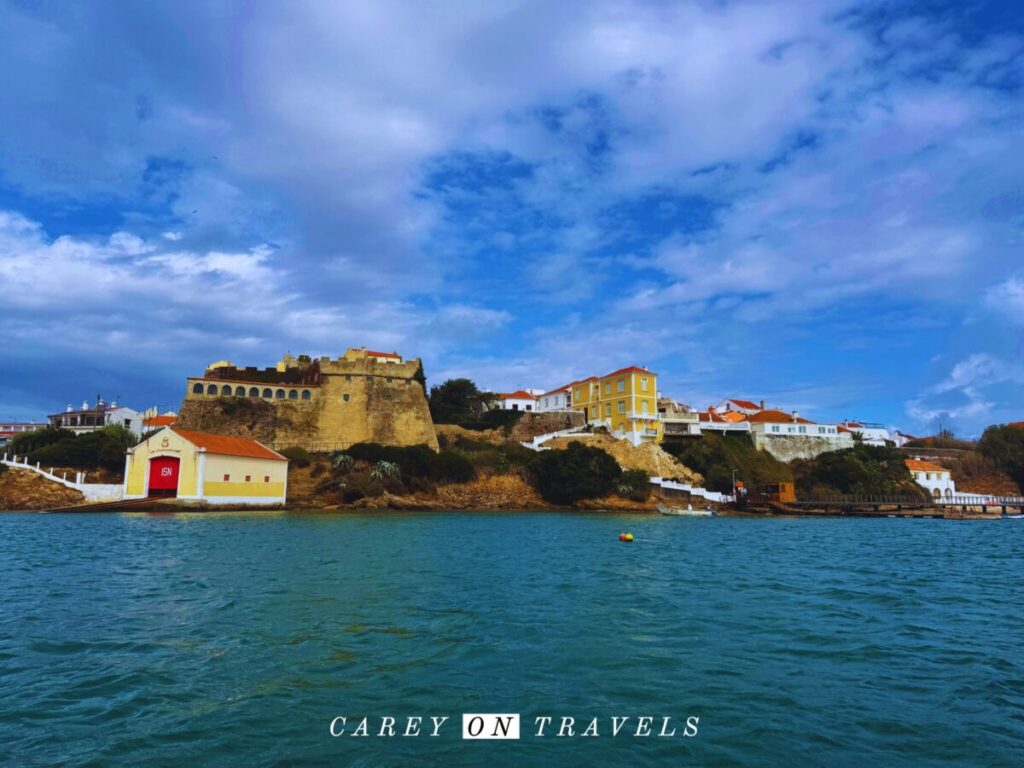
Vila Nova de Milfontes
For those looking for a laid back coastal holiday, Vila Nova de Milfontes in Portugal’s Alentejo is perfect for Slow Travel. Buses from Lisbon typically take 2 hours and 30 minutes to 3 hours.
Why it works:
- Laid-back surf/beach town atmosphere with minimal crowds
- Access to the Fisherman’s Trail for hikes and walks
- Ocean and river beach access with local restaurants, bars, and shops nearby
- Gentle hills are perfect for walking or biking
What Makes It Special:
- A rare meeting point of river and ocean landscapes (paddle board on the river or surf the ocean waves)
- Easy access to dramatic coastal scenery without large crowds
- A rhythm that naturally alternates between activity and rest
Algarve: Slower, Softer Coastal Living
Tavira
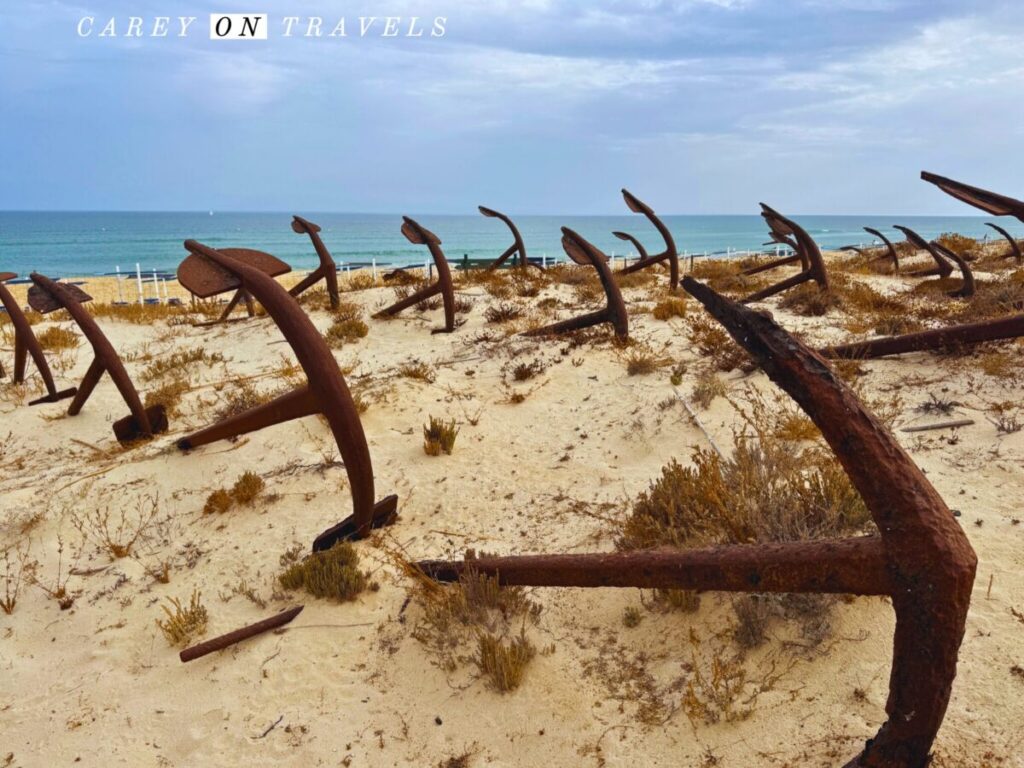
Located in the Eastern Algarve, Tavira is one of the best-known bases for Slow Travel in Portugal. It’s just a 40-50 minute train ride from Faro, Portugal, where you’ll find an international airport.
Why it works:
- Flat terrain (excellent for walking, biking, or conserving energy)
- Ferry (and beach train) access to beaches
- Quiet, relaxed atmosphere
What Makes It Special:
- A graceful riverside setting that doesn’t feel like a resort, but a lived-in town
- The nearby white sand barrier island beaches feel removed yet are easy to access
- A softer, less commercialized version of the Algarve
Vila do Bispo
Vila do Bispo is an excellent base for Slow Travel Portugal if you’re looking for access to the wild western Algarve without heavy crowds.
Why it works:
- Close to some of the Algarve’s most dramatic and less-visited beaches
- Quiet, local feel with minimal tourism pressure
- Easy access to Sagres and the Costa Vicentina Natural Park, along with the Fisherman’s Trail for hiking
What Makes It Special:
- Raw, rugged coastline that feels untouched compared to central Algarve
- A peaceful inland base with quick access to ocean viewpoints
- A sense of space and openness that supports true slow travel
Chronic Traveler tip: A great choice if you want access to nature and the ocean without the busier resort atmosphere. It’s a 5-10 minute drive (slightly longer bike ride or hike) from Vila do Bispo to the closest beaches.
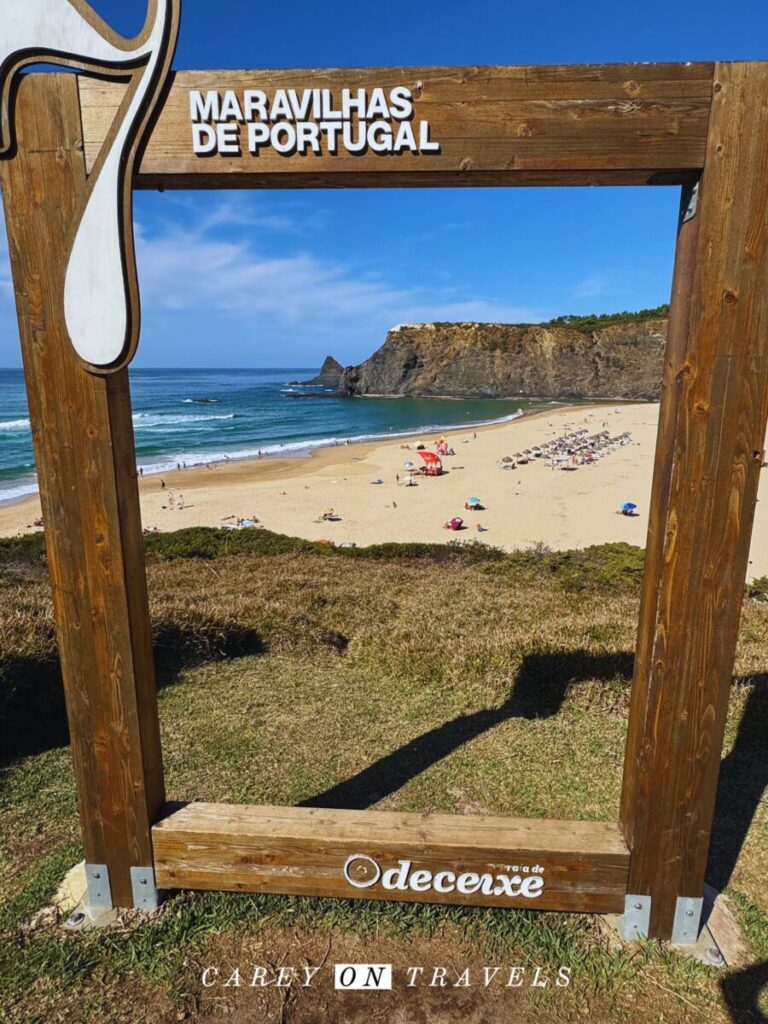
Odeceixe
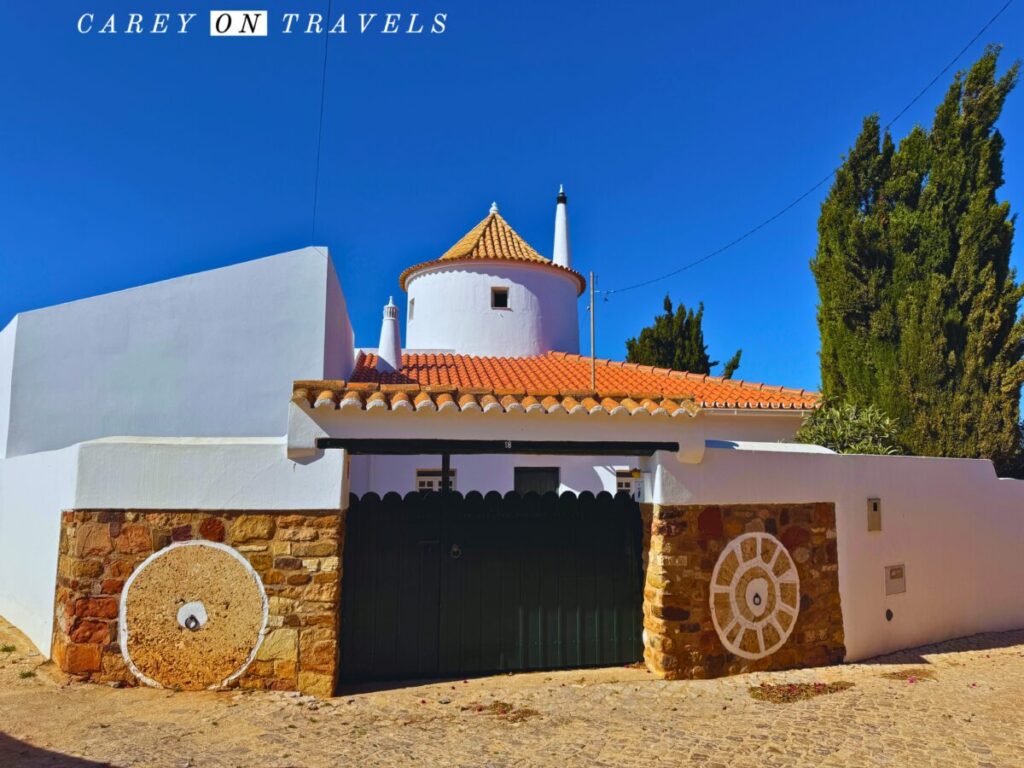
Set on the border of the Alentejo and the Algarve, Odeceixe offers one of the most unique settings for Slow Travel Portugal, where river and ocean meet.
Why it works:
- Relaxed, small-town atmosphere with markets and cozy restaurants
- Access to both a calm river beach and the open ocean
- Ideal for low-effort, restorative beach days
What Makes It Special:
- A rare dual-beach setting—river on one side, ocean on the other
- A peaceful village feel with just enough amenities
- A naturally calming environment that supports slower rhythms
Chronic Traveler tip: Perfect for alternating between gentle activity (short walks, beach time) and full rest days.
Note that the town of Odeceixe sits along the river, about 5 km from the beach itself. We recommend having bikes or a car to easily move back and forth between these locations.
How to Plan Slow Travel Portugal
To fully embrace Slow Travel in Portugal, focus on sustainability—both environmental and personal.
Key tips:
- Choose one base instead of moving frequently
- Prioritize walkability or easy bike or public transport (not all small towns have good bus and train service)
- Build in rest days (and treat them as essential)
- Match your destination to your energy level
Final Thoughts: Why Slow Travel in Portugal Works
Portugal naturally supports a slower pace. Join locals in lingering over long meals with ocean views along the coast and slowing down your daily rhythms. It’s a place where doing less often leads to experiencing more.
With the right base town, Slow Travel Portugal becomes not just manageable—but deeply restorative.
And often, the slower you go, the more meaningful the journey becomes.
Do you have other suggestions for Slow Travel base towns in Portugal? Share these with us in the comments below!
If you enjoyed this post, please pin it for later!
This post may contain affiliate links. If you make a purchase through these links, we will earn a small commission at no additional cost to you. We recommend products we have personally used or verified. Read the full disclosure here.


Love this blog! I want to be sitting on the beach in Tavira right now. Slowing down is what everyone needs to do when traveling.
Tavira’s beaches are so relaxing, ideal for a slow vacation!
Portugal has so many beautiful hidden gems! I really want to explore more of it (especially Ericeira and Coimbra!) Thank you for a great guide!
This mid-section of Portugal is beautiful. Hope you have a change to explore!
I think I would enjoy visiting the Convent of Christ. I like travel that includes a poft to the past, or as you said “layered history (convent +castle).” I also prefer to explore at my own pace rather than being herded as a group.
Tomar is a wonderful base to explore the region, from the many castles, monasteries, and convents, to the beautiful countryside.
What a wonderful round up of great Portuguese cities! And by slow travel makes the list even more valuable.
Thank you for the feedback!
I’d love to spend a month or two in Portugal and now I know where to base myself to explore the country.
I highly recommend spending a few months here in Portugal!