
Traveling With Chronic Illness: Finding Joy in Slow Travel
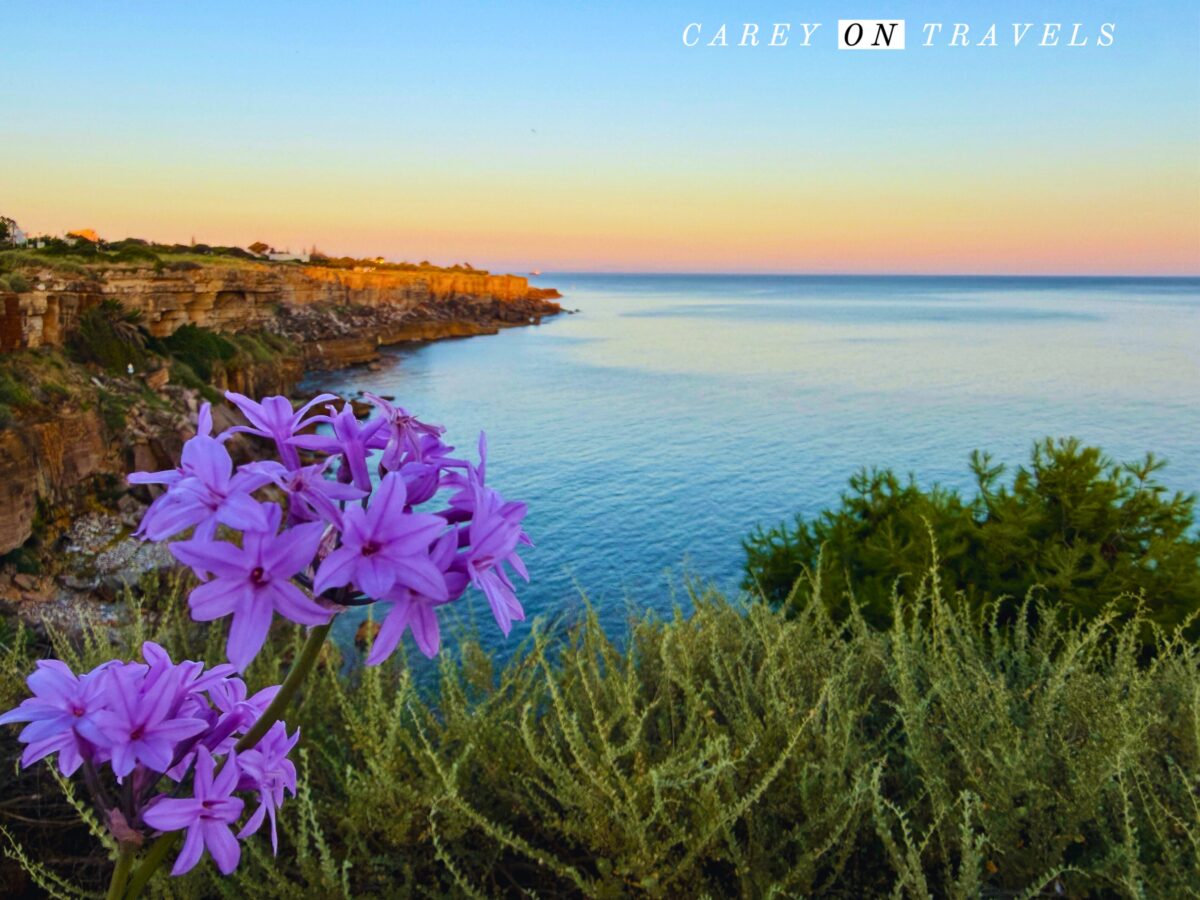
One of the hardest parts of traveling with chronic illness isn’t always the physical symptoms. It’s the mental battle that comes with feeling like you’re missing out.
You scroll through Instagram and see travelers squeezing five attractions, a sunrise hike, a food tour, and a sunset cruise into a single day. Meanwhile, you’re back at your apartment taking a nap after spending a wonderful—but exhausting—morning wandering a local market.
I’ve been there.
When I first started traveling again after developing chronic health issues, I was constantly aware that I was doing less than before. Every afternoon spent resting felt like a missed opportunity. I felt like I had failed when I had to shorten hikes. Skipped attractions felt like proof that I wasn’t traveling “the right way.”
Over time, though, I realized something important.
I wasn’t missing my trip.
I was simply experiencing it differently. Learning to embrace slower travel also changed how I plan my trips. Instead of trying to fit everything into a few days, I now build itineraries around my energy levels.
This post may contain affiliate links. If you make a purchase through these links, we will earn a small commission at no additional cost to you. We recommend products we have personally used or verified. Read the full disclosure here.
Redefining Success When Traveling With Chronic Illness
Before chronic illness, success often meant seeing as much as possible.
Today, success looks very different.
If I come home having experienced a beautiful place, enjoyed meaningful moments, and still have enough energy to feel like myself afterward, that’s a successful trip.
In many ways, it’s actually a better one.
Instead of measuring my travels by the number of attractions I checked off, I measure them by how they made me feel. Did I…
- Spend an hour watching waves crash against the cliffs?
- Discover a neighborhood café I’d happily return to?
- Enjoy a peaceful hike without pushing myself into a flare?
Those memories stay with me far longer than rushing through another museum simply because it was on a list.

The Comparison Trap
It’s easy to compare yourself to healthy travelers.
I’ve caught myself thinking:
- Shouldn’t I be able to hike farther?
- Why do I seem to be the only one who needs to take days off during vacation?
- Should I have pushed through and visited one more site or town?
But comparison rarely tells the whole story.
Everyone travels differently. Some people love packed itineraries. Others prefer slow mornings and long dinners. Some have unlimited energy. Others are quietly managing health conditions you can’t see.
The only trip you need to compare yourself to is your own.

Why Rest Is Part of Traveling With Chronic Illness
One of the biggest mindset shifts I’ve made is recognizing that rest is part of the itinerary—not a break from it. Planning for rest before you leave home makes it much easier to give yourself permission to slow down once you’re away.
On many trips, I intentionally schedule time to sit in a shady park and read a book, return to my accommodation for an afternoon, or simply enjoy the view from a balcony.
At first, this felt wasteful.
Now, I see it as what allows me to keep traveling.
Without those breaks, I often wouldn’t have the energy for tomorrow’s adventure.
Missing Out Isn’t Always a Bad Thing
This one took me years to accept.
No one sees everything.
Even healthy travelers leave destinations wishing they’d had another day.
Choosing to skip an activity isn’t necessarily losing something. Often, it’s choosing something else.
By saying no to one more attraction, I might be saying yes to:
- A memorable dinner with my family
- Peaceful walks along the waterfront
- Watching the sunset
- A conversation with a local
- Waking up feeling well enough for tomorrow’s hike
Those are worthwhile trade-offs.

How Slow Travel Helped Me Enjoy Traveling With Chronic Illness Again
Ironically, chronic illness has made me a better traveler.
Because I move more slowly, I notice more. I remember:
- The artist in Cyprus who shared the history and process for creating Byzantine lithographs by hand.
- Sitting outside at the Botanical Gardens in Oxford with a tea instead of rushing to the next museum.
- Walking along Guincho Beach, watching kite surfers, in Cascais instead of trying to fit in another attraction.
Those quiet moments have become some of my favorite travel memories. They’re experiences I may have rushed past before.

Celebrate What You Can Do
It’s natural to grieve activities that aren’t possible anymore.
But I’ve found it’s equally important to celebrate the adventures that still are.
Maybe I can’t hike every 14-mile trail I once dreamed about.
But I can still:
- Explore beautiful forests.
- Paddle calm rivers.
- Wander medieval towns.
- Watch spectacular sunsets from mountain viewpoints.
I can still discover new cultures and connect with incredible people.
Travel didn’t end because my health changed.
It simply evolved.

Your Trip Doesn’t Have to Look Like Anyone Else’s
Social media often rewards fast travel.
Twenty countries in a year.
Ten attractions in a day.
The “perfect” itinerary.
But your journey doesn’t have to look like that to be meaningful.
Some of my happiest travel days have included just one hike, one café, and one beautiful view.
Sometimes they’ve included nothing more than sitting quietly by the ocean, listening to the waves.
Those days count.
They always will.

Final Thoughts
Living with chronic illness has taught me that travel isn’t about doing the most.
It’s about experiencing what matters most.
Some days that means hiking to a mountain summit.
Other days it means sitting on a bench watching the world go by.
Both are valid.
Both are travel.
If chronic illness has changed the way you explore the world, know that you’re not failing at travel—you may simply be discovering a slower, richer, and more sustainable way to experience it.
And sometimes, that version of travel turns out to be the most rewarding of all.
If you enjoyed this post, please pin this for later!


