
What the Fisherman’s Trail Taught Me About Traveling With Chronic Illness
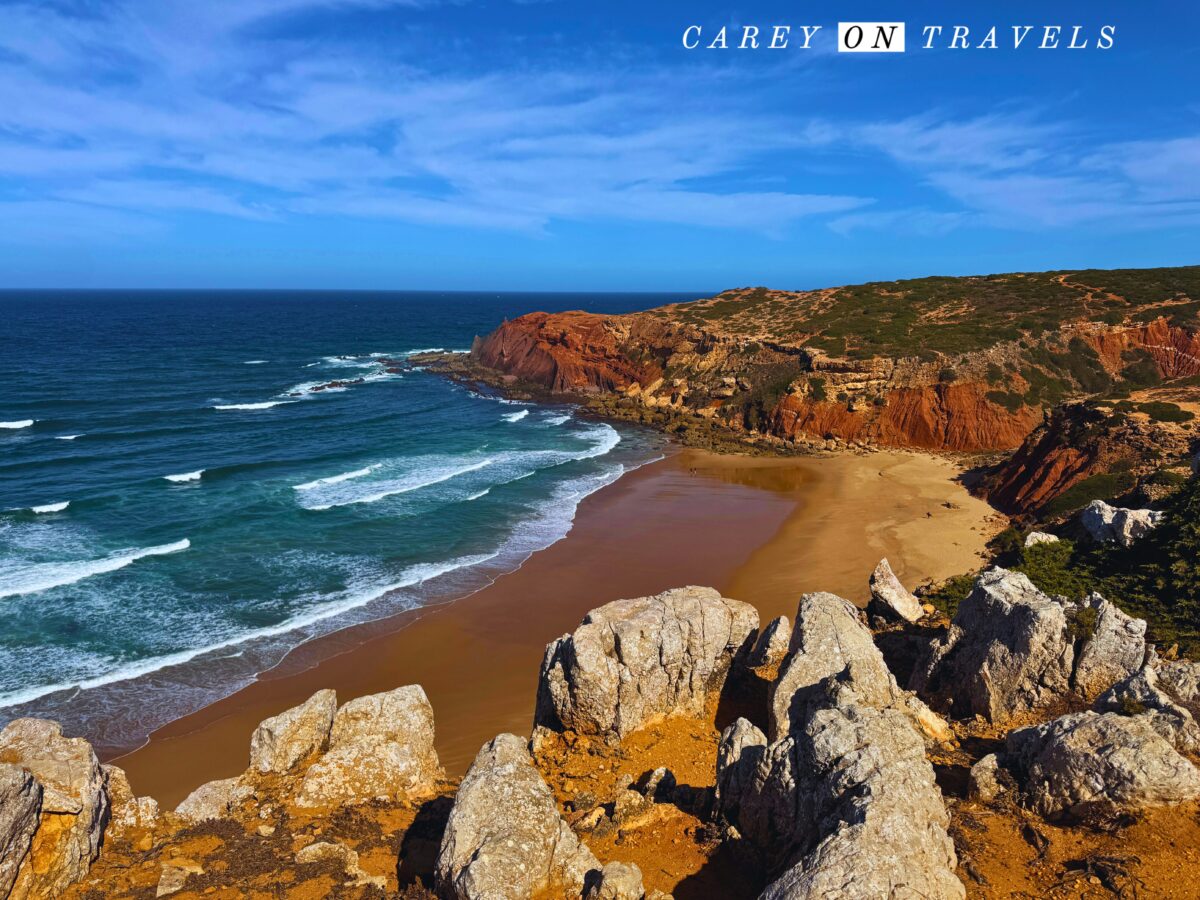
For a long time, I assumed that long-distance hiking, adventure travel, and chronic illness were fundamentally incompatible. Multi-day point-to-point trails seemed to require a level of predictability that my body simply couldn’t provide. Guidebooks mapped out precise stages. Hiking blogs listed daily distances. Online forums debated the “best” itinerary. Everything seemed designed around moving forward each day according to plan.
Then I planned (and completed) my solo hike on Portugal’s Fisherman’s Trail.
What surprised me wasn’t that I was able to complete the trail. It was that I completed it by doing almost everything differently than the standard advice suggested.
I didn’t hike the entire trail in one trip and I didn’t always walk the stages in order. I split some legs in two, took rest days when I needed them, and relied on buses and taxis to make the route work for my energy levels and dietary needs.
Some hikers might view those choices as compromises.
I see these modifications as the reason I was able to enjoy the experience.
The Fisherman’s Trail taught me that adventure travel with chronic illness often means letting go of rigid expectations and creating a journey that works for you instead.
This post may contain affiliate links. If you make a purchase through these links, we will earn a small commission at no additional cost to you. We recommend products we have personally used or verified. Read the full disclosure here.
Adventure Travel With Chronic Illness Doesn’t Have to Follow Traditional Rules
One of the biggest mental shifts I made was accepting that there was no rule saying I had to complete the entire Fisherman’s Trail at once. The trail consists of a variety of sections:
- Classic Trail from Porto Covo to Odeceixe (approximately 75 km), which is typically spread over 4 days
- Optional Odeceixe Circular Trail approximately 15 km
- Extended trail from Odeceixe to Sagres, approximately 91 km
- Optional extension from Sagres to Lagos, approximately 41 km
Read More–> The Best Sections of the Fisherman’s Trail
Many hikers tackle the route over one or two weeks, walking stage after stage until they reach the end. While that works well for some people, it wasn’t the best fit for me. This was my first long-distance solo hike with chronic illness. Committing to 10+ days of straight hiking seemed overwhelming.
Instead, I split the trail across two separate trips. Starting with 5 days of hiking seemed much more reasonable.
- Fall 2024: I completed the classic trail from Porto Covo to Odeceixe, adding in a day hike on the optional Odeceixe Circular Trail and a short hike from São Torpes to Porto Covo.
- Fall 2025: I completed the hike from Sagres to Odeceixe
- I’d previously hiked the trails in the Lagos area, so I chose to end my hike in Sagres.
Doing so allowed me to enjoy each section without worrying about whether I had enough energy reserves to sustain multiple consecutive days of hiking. It also gave me flexibility to choose the season and weather conditions that worked best for me.
For years, I approached travel with an all-or-nothing mindset. Either I completed the experience exactly as intended or I had somehow failed.
The Fisherman’s Trail reminded me that travel isn’t a competition. Whether you finish a trail in ten straight days or over several trips, the experience is still meaningful, and it’s still an achievement.
Read more tips on hiking with chronic illness.
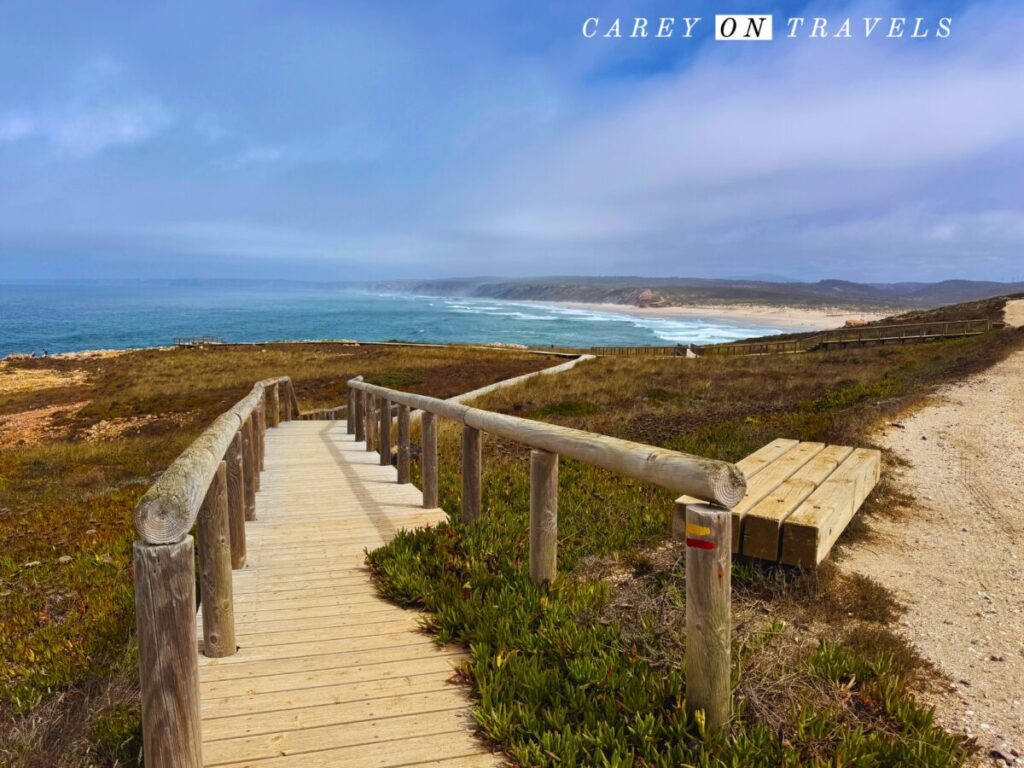
There Is No Prize for Following the Official Route
Guidebooks often present itineraries as though they’re the only correct way to experience a trail.
The reality is much more flexible, especially when planning adventure travel with chronic illness.
During my hikes, I often stayed in a single location for multiple nights and used local buses or taxis to reach different trailheads. Sometimes I hiked south to north. Other times I hiked north to south. I chose whichever direction worked best based on transportation schedules, accommodation availability, weather forecasts, and how I felt physically. A few examples from my classic Fisherman’s Trail hike:
- I based myself in Vila Nova de Milfontes for the 1st 3 nights, and Odeceixe for another 3 nights.
- While some choose to hike from São Torpes to Vila Nova de Milfontes, I split this into 2 hikes (10 km from São Torpes to Porto Covo on the day I arrived, and 19 km from Porto Covo to Vila Nova de Milfontes another day).
- I hiked the stages out of order due to inclement weather (I chose to do a shorter hike on a day with forecasted heavy rain, shifting the longer hike to another day).
- I took advantage of buses to get to the start and end of hikes in São Torpes and Porto Covo.
- With no bus available, I took a taxi to Arrifana, hiking to Vila Nova de Milfontes one day.
This approach eliminated much of the stress that can come with point-to-point travel and gave me the freedom to adapt each day based on my needs.

Rest Days Make Adventure Travel More Sustainable
Travel culture often celebrates constant movement.
More cities. More sights. More miles.
But one of my favorite aspects of hiking the Fisherman’s Trail was learning to embrace rest days without guilt.
Staying in one location for several nights gave me the possibility of building flexibility into my itinerary. If I woke up feeling great, I could tackle another section of trail. If I needed recovery time, I could spend the day exploring a village, taking a shorter circular hike, relaxing by the coast, or simply resting.
For me, rest days weren’t interruptions to the adventure. They were part of what made adventure travel with chronic illness sustainable. I highly recommend building in rest days even if you don’t have chronic illness.
READ MORE–> The Chronic Traveler’s Pre-Trip Energy Planning Checklist and How I Avoid Post-Travel Fatigue with Chronic Illness
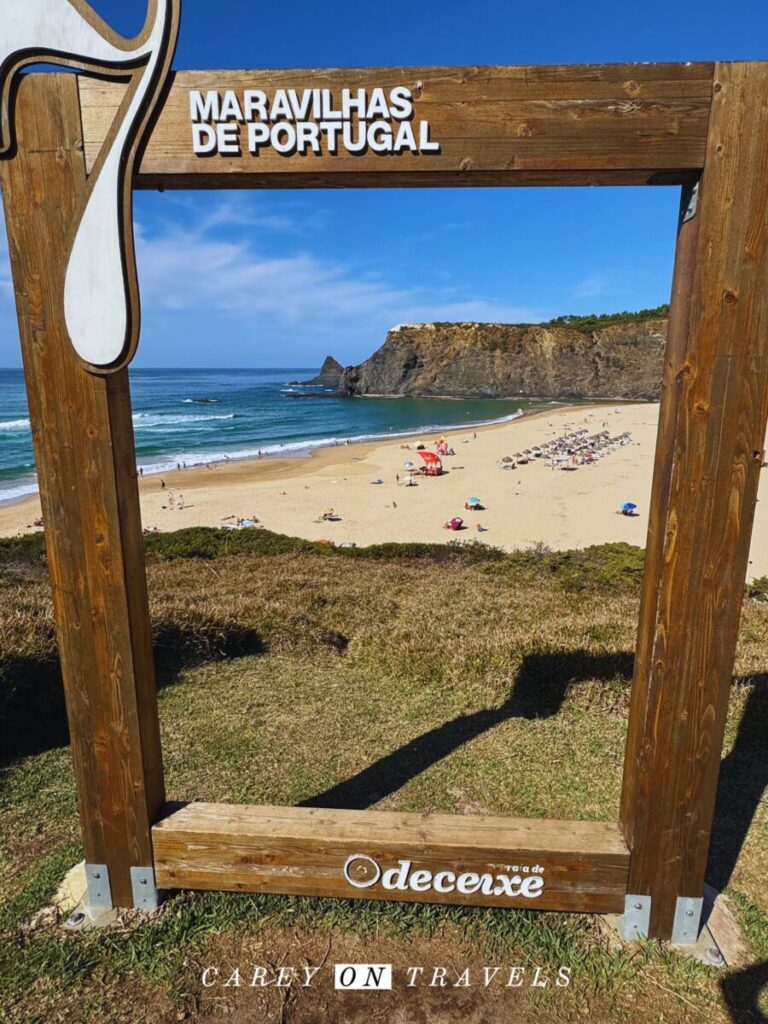
Food Planning Can Make or Break the Experience
Perhaps the most important lesson of all involved something many hiking guides barely mention: food. Most assume that you will eat at local bakeries in the morning, grab lunch at a mini markets in towns or one of the few restaurants in smaller towns. Dinner may be provided at your guest house or hostel, or you might enjoy what’s served at the very small town restaurants.
For travelers with dietary restrictions, food isn’t simply about convenience. It can determine whether a day goes smoothly or becomes significantly more challenging.
The Fisherman’s Trail passes through beautiful coastal communities, but services can be limited between towns. Restaurant hours vary, grocery stores may close during the afternoon, and suitable food options aren’t always available exactly when you need them.
By staying at one place for multiple nights, and with access to kitchens (shared or private), I could prepare food for easy breakfasts before hitting the trail each day. I carried along backup snacks and often lunches. I’d then enjoy fresh fish dinners at local restaurants.
One of the realities of adventure travel with chronic illness is that planning often creates freedom. In fact, this is one of the main lessons I learned when beginning to travel again after chronic illness. Because I researched food options ahead of time and prepared and carried backup snacks, I could focus on enjoying the trail rather than worrying about my next meal.
READ MORE: How to Eat While Traveling with Food Sensitivities

The Biggest Lesson About Adventure Travel With Chronic Illness
Looking back, the most important thing the Fisherman’s Trail taught me wasn’t about hiking at all.
It taught me that I don’t need to travel the way everyone else does.
I don’t need to complete every mile in one trip.
The “official” itinerary is just a starting point, which can and should be modified to meet your needs.
Moving from one accommodation to the next every night may be right for some, but isn’t a prerequisite of finishing the trail.
I don’t need to push through exhaustion to prove something.
Rest days are a wonderful way to explore the beautiful towns along the route (and participate in non-hiking activities).
The beauty of adventure travel with chronic illness is that it allows us to redefine success. Sometimes success means finishing a trail. Sometimes it means adapting a plan, taking a recovery day, or choosing a shorter route that still delivers an unforgettable experience.
The Fisherman’s Trail showed me that making those adjustments doesn’t diminish the adventure.
If anything, it makes the experience more meaningful because it allows me to continue exploring the world on terms that work for my body.
Find out more about choosing Slow Travel Destinations and the Best Slow Travel bases in Portugal.
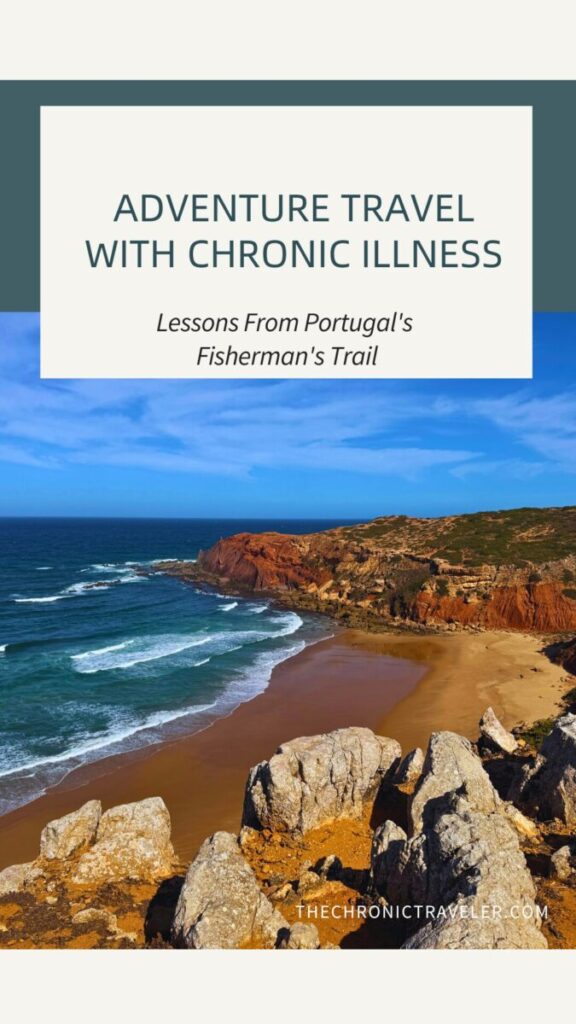
If you enjoyed this post, please pin it for later!


I love this heading “There Is No Prize for Following the Official Route”. We sometimes focus so much on the end that we forget to enjoy the journey.
It can be hard to change focus off of the official route, but it can make the journey so much more enjoyable.
Great advise!!! Can apply it to all forms of travel.
Thank you! It can definitely apply to other forms of travel too.